Last updated November 21, 2026
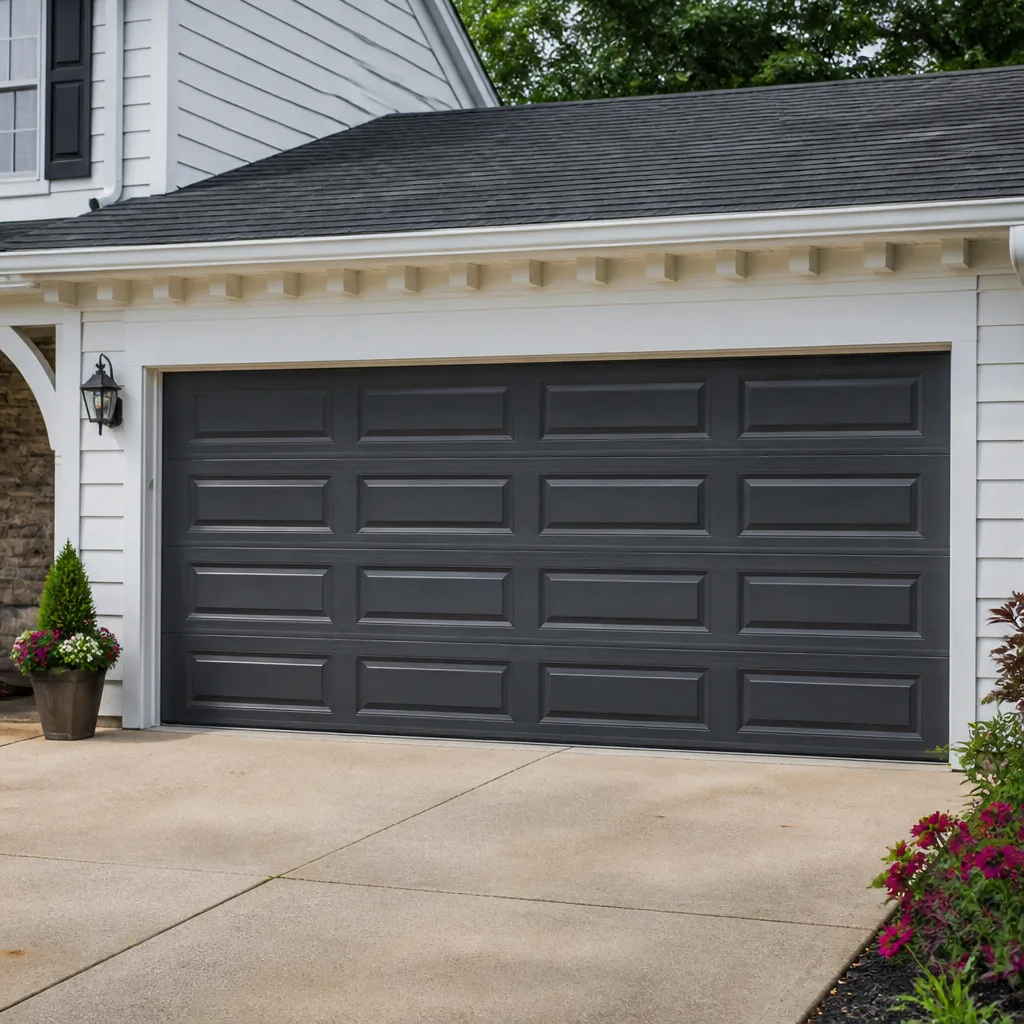 Raised-panel steel
 Carriage house
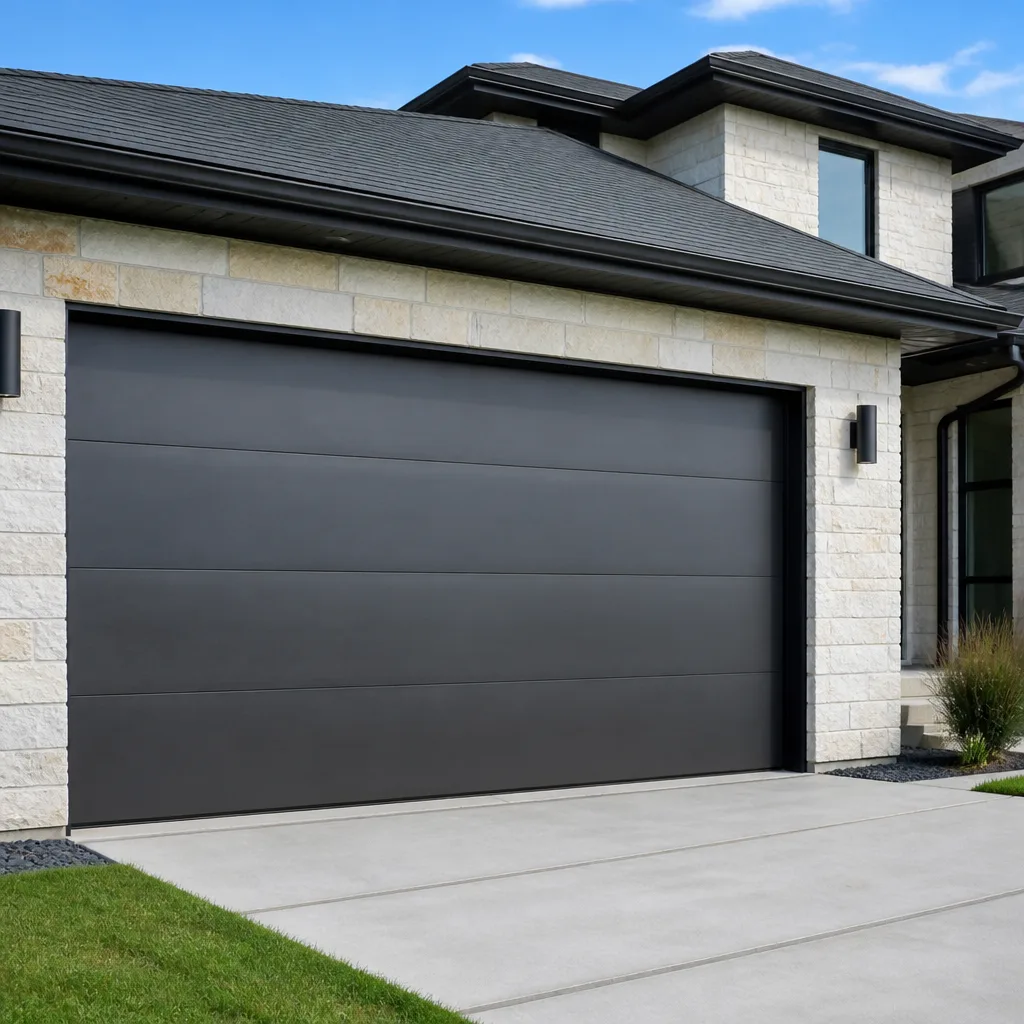 Modern flush
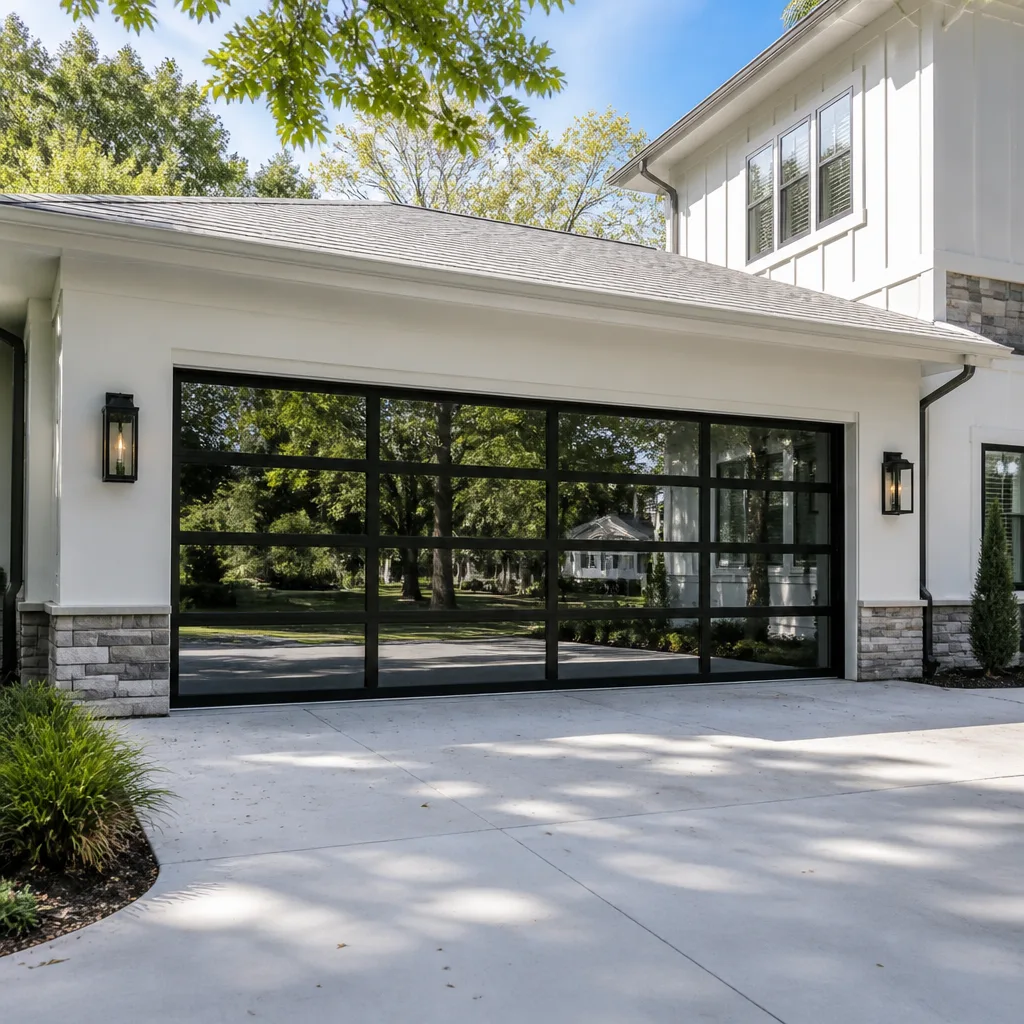 Full-view glass
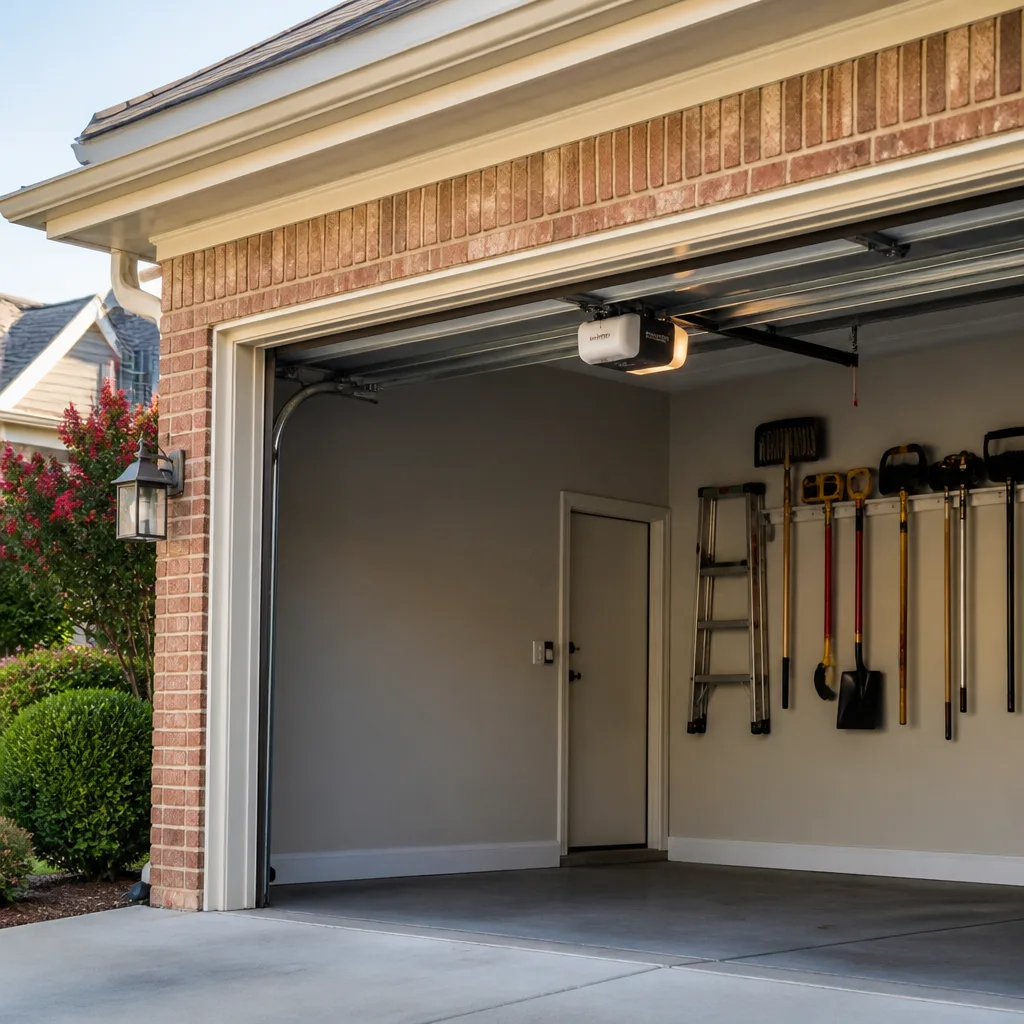 LiftMaster openers
 Chamberlain openers
Full 25-point door and opener safety check with every visit - springs, cables, rollers, tracks, and your LiftMaster or Chamberlain opener included
You get a price before we start. It does not change when the pro arrives.
Get your free estimateGarage Door Repair Maintenance Checklist for Inwood Homeowners
Most Inwood homeowners assume garage door problems start with age. In our experience, the bigger culprit is skipped lubrication on hardware that’s quietly corroding long before anything looks wrong. A door can look fine from the driveway while its rollers, hinges, and springs are working harder every week. This guide gives you a maintenance checklist built around how Inwood doors actually age: the humidity, the temperature swings, and the daily use that wears parts down. You’ll learn what to check, how often, and which tasks you can safely do yourself versus which ones need a technician. We’ll also show you how to catch problems early so you’re not calling for emergency service on a Sunday morning.
Quick Answer
A garage door maintenance checklist for Inwood should include monthly visual inspections, lubrication every two to three months during humid seasons, balance testing twice a year, and a professional tune-up annually. The most important thing you can do is keep the moving metal parts lubricated and watch for signs of imbalance before they turn into spring failures. Most emergency calls we see in Inwood could have been avoided with a five-minute monthly walk-around and a simple lubrication routine.
Styles & brands we work with
- Raised-panel steel
- Carriage house
- Modern flush
- Full-view glass
- LiftMaster openers
- Chamberlain openers
Table of Contents
- Why Inwood Doors Age Differently
- The Five-Minute Monthly Walk-Around
- Lubrication That Survives Inwood Humidity
- How to Do the Balance Test
- Cable and Roller Inspection You Can Do Safely
- Seasonal Maintenance Calendar for Inwood
- Opener Care and Smart-Home Checks
- What a Professional Tune-Up Covers
Why Inwood Doors Age Differently
Inwood sits on the western edge of Long Island, and the local climate puts specific stress on garage door hardware. Summers bring stretches of high humidity, and winters bring freeze-thaw cycles that work metal and wood at every seam. A door in Inwood doesn’t just get used; it gets cycled through wet seasons and dry ones, and that cycle takes a toll on lubrication, cables, and springs.
Humidity is the quieter problem. When moisture sits on hinges and rollers, surface rust starts to form. It doesn’t look like much at first, just a dull discoloration. But rust changes the tolerances on moving parts, and a roller that once spun freely starts to drag. When a roller drags, the door pulls harder on the spring and the opener, and both wear faster.
Doors fifty miles inland face less humidity and fewer wet-dry cycles. They still need maintenance, but the timing is more forgiving. In Inwood, the wet season stretches the intervals where lubrication actually holds. If you lubricate on a generic quarterly schedule, you may be running weeks behind by August.
This is why a checklist for Inwood should be timed to local conditions, not copied from a national template. The tasks are the same; the frequency isn’t. For a deeper look at how we handle repairs that come out of these conditions, see our page on Garage Door Repair Inwood.
What Makes Inwood Hardware Wear Faster
- Humidity cycles: Repeated moisture exposure speeds surface rust on hinges, rollers, and track bolts.
- Freeze-thaw movement: Metal contracts and expands at seams, which can loosen fasteners over time.
- Daily use: A door that opens and closes several times a day accumulates cycles faster than a door used once daily.
- Older hardware: Many Inwood homes have doors and openers that have been in service for years, and older parts need more attention.
The Five-Minute Monthly Walk-Around
This is the highest-value thing you can do, and it takes about five minutes once a month. It catches most problems before they become emergency calls. You don’t need tools. You don’t need to touch springs or cables. You just need to look, listen, and feel.
In our experience, the monthly walk-around catches the majority of developing issues: loose bolts, worn rollers, fraying cables, misaligned tracks, and opener strain. A door that’s inspected monthly rarely fails without warning.
Your Monthly Walk-Around Checklist
- Look at the door from the driveway. Stand back and check that the door looks level. A door that sits crooked when closed is a sign of imbalance or a spring problem.
- Check the hinges and rollers. Look for rust, cracks, or flat spots. A roller that’s worn flat won’t roll smoothly, and it puts extra strain on the rest of the system.
- Look at the cables on both sides. Check for fraying, kinks, or looseness. If a cable looks damaged, stop using the door and call a technician. Never try to adjust a cable yourself.
- Inspect the tracks. Look for dents, bends, or debris. A track that’s out of alignment will make the door bind. Wipe debris away with a dry cloth.
- Listen when the door opens and closes. A door that used to be quiet but now grinds or squeals is telling you something needs lubrication or attention.
- Check the weather seal. Look at the bottom seal for cracks or gaps. A worn seal lets moisture and cold air in and can make the door work harder.
- Test the safety reverse. Place a piece of wood flat on the floor in the door’s path and close the door. It should reverse when it touches the wood. If it doesn’t, the opener’s safety system needs attention.
If anything on this list looks wrong, the best move is to book garage door repair before the problem grows. A small fix now is cheaper and simpler than a spring failure later. For more on the signs that mean it’s time to call, keep reading.
Lubrication That Survives Inwood Humidity
Not all lubricants hold up the same way in Inwood’s humid seasons. This is where a lot of DIY maintenance goes wrong. Homeowners buy a spray can of silicone or a general-purpose oil, apply it, and then wonder why the door is squeaking again a few weeks later. The problem is that some lubricants wash off or dry out faster in wet conditions.
Silicone sprays are popular because they’re clean and easy to apply. But in an environment with repeated humidity and wet-dry cycles, silicone can thin out and fail to stay on the metal where you need it. It’s better than nothing, but it’s not the right choice for hardware that’s exposed to moisture.
What works better in Inwood is a heavier lubricant that clings to the metal and resists washing away. Look for a garage-door-specific lubricant, a lithium grease, or a white lithium spray. These stay in place longer and provide a barrier against moisture.
Where to Lubricate and Where Not To
- Lubricate: Hinges, rollers, the torsion bar bearings (the metal bar above the door, not the springs themselves), and the opener’s rail or chain.
- Do not lubricate: The tracks. Tracks should stay clean and dry. Lubricant on tracks attracts dust and debris, which causes binding.
- Do not touch: Springs and cables. These are under extreme tension and should only be handled by a trained technician.
How Often to Lubricate in Inwood
During the humid season, lubricate every two to three months. During the drier months, every four to six months is usually enough. If your door is used several times a day, stick to the shorter interval. A quick visual check before each lubrication tells you whether the previous coat is still holding. If the metal looks dry or shows the first hint of rust, it’s time.
How to Do the Balance Test
The balance test tells you whether your door’s springs are doing their job. A balanced door is easy to lift by hand and stays put when you let go halfway up. An out-of-balance door is heavy, drifts down on its own, or slams. Catching imbalance early is how you avoid a snapped spring and a door that won’t open.
Here’s the safe way to test balance. First, disconnect the opener by pulling the release handle (usually a red cord hanging from the opener rail). This puts the door in manual mode. Then lift the door halfway by hand and let go. A balanced door should stay in place. If it drifts down toward the floor, the springs are losing tension. If it drifts up, they’re overtensioned. Either way, it needs a technician.
What does an out-of-balance door feel like before it snaps? Heavy. You’ll notice you have to pull harder than you used to. You might hear a creak or a pop as the door moves. The door might not sit level when closed. These are warning signs, and they usually show up weeks before a spring breaks. In our experience, most spring failures come with warning signs that get ignored.
Important safety note: the balance test is safe because you’re not touching the springs or cables. But if you feel resistance or hear unusual noises, stop and call a technician. Springs are the most dangerous component in your garage door system, and we handle them so you don’t have to. For dedicated spring work, see our repair service page.
Signs Your Door Is Out of Balance
- The door feels heavy when you lift it by hand.
- It drifts down or up when you let go halfway.
- It sits crooked or uneven when closed.
- You hear creaking, popping, or grinding during operation.
- The opener strains or the door moves in jerks.
Cable and Roller Inspection You Can Do Safely
Cables and rollers are two of the most important parts to check, and you can inspect both without touching spring hardware. The key is to look, not to adjust. This section is about what to check and what’s safe to do.
Inspecting Cables
Cables run along the sides of the door and connect the door to the spring system. They’re under tension at all times. Your job is to look for visible damage: fraying, kinks, rust, or looseness. A healthy cable is taut and smooth. A cable that’s fraying or kinked should be replaced by a technician. Never try to adjust, tighten, or loosen a cable yourself. This is one of the most common causes of serious injury in garage door work.
Inspecting Rollers
Rollers are the wheels that run inside the tracks. You can see them from the side of the door. Look for cracks, flat spots, or rust. A roller that’s worn flat won’t roll smoothly, and it puts extra strain on the rest of the system. Rollers are a relatively simple part to replace, but the job is easier and safer when done as part of a professional tune-up. If you see a worn roller, note it and mention it when you book service.
What You Can Safely Do
- Look at cables for fraying, kinks, or looseness.
- Look at rollers for cracks, flat spots, or rust.
- Wipe down tracks with a dry cloth to remove debris.
- Tighten visible bolts on hinges and brackets using a wrench, if you’re comfortable doing so. Don’t overtighten.
What to Leave to a Professional
- Any cable adjustment or replacement.
- Any spring work, including tightening, replacing, or adjusting tension.
- Track realignment if the door binds or the track is visibly bent.
- Any repair that requires disconnecting the spring system.
If you’re in Inwood and see cable damage, don’t wait. Call a technician, and don’t use the door until it’s inspected. Broken cables can cause the door to fall.
Seasonal Maintenance Calendar for Inwood
Here’s how we’d time the checklist for Inwood’s climate. The idea is to do the lighter maintenance before the seasons that stress the door the most. That means spring and fall are the key tune-up windows, with lighter checks in between.
Spring (March to May)
- Full lubrication: After winter, re-lubricate hinges, rollers, and bearings to clear any winter dryness or rust.
- Balance test: Check that springs are holding tension properly after the cold season.
- Weather seal inspection: Winter can crack the bottom seal. Replace it if it’s worn.
- Professional tune-up: A good time to book a full inspection before summer humidity arrives.
Summer (June to August)
- Monthly walk-arounds: Humidity is highest, so stay on top of the visual checks.
- Lubrication every two to three months: Watch for rust on hinges and rollers.
- Opener check: Listen for strain and test the safety reverse.
Fall (September to November)
- Full lubrication: Prepare the door for the wet season ahead.
- Cable and roller inspection: Catch wear before winter.
- Professional tune-up: The second key window, especially if you skipped spring.
- Weather seal replacement: If the seal is worn, replace it before the cold sets in.
Winter (December to February)
- Monthly walk-arounds: Watch for freeze-thaw wear on metal parts.
- Listen for new noises: Cold makes metal contract, and loose parts get noisier.
- Keep tracks clean: Snow and ice debris can build up and cause binding.
Opener Care and Smart-Home Checks
Your opener is the part of the system you interact with every day, and it needs its own maintenance. The good news is most opener care is simple. The most important thing is to watch for strain. If the door is out of balance or the rollers are dragging, the opener works harder, and that’s when motors burn out or gears strip.
We work on the brand you already have. Our technicians are trained on LiftMaster, Chamberlain, Genie, Craftsman, Raynor, Clopay, Amarr, and Wayne Dalton, covering both legacy and app-connected systems. If you have a LiftMaster or Chamberlain opener with smart-home integration, we know those systems well. If your opener is older, that’s fine too. For opener-specific issues, see our garage door opener repair page.
Opener Maintenance Checklist
- Test the safety reverse monthly. Place a piece of wood in the door’s path and close it. It should reverse on contact.
- Check the force settings. If the door doesn’t close fully or reverses unexpectedly, the force setting may need adjustment. This is a technician task.
- Lubricate the rail or chain. Follow the manufacturer’s recommendations for your opener model.
- Check the wall button and remotes. Replace batteries as needed and make sure the wall button isn’t sticking.
- Look at the sensors. The photo-eye sensors near the floor should be aligned and clean. They shouldn’t be blocked by stored items.
- Check the smart-home app. If your opener is connected, make sure it reports the door status correctly and that alerts are working.
If your opener is straining, groaning, or stopping midway, don’t wait. A struggling opener often points to a door problem, not just a motor problem. Fixing the door usually solves both.
What a Professional Tune-Up Covers
A professional tune-up goes beyond the checklist you can do yourself. It’s also the safest way to handle the parts you shouldn’t touch. Here’s what a typical tune-up covers when a technician visits an Inwood home.
- Spring tension check: A technician tests the springs and adjusts tension if needed. This is the most safety-critical part of the job.
- Cable inspection and adjustment: Cables are checked for wear and properly tensioned.
- Roller and hinge replacement: Worn parts are replaced before they cause bigger problems.
- Track alignment: Tracks are checked and adjusted if the door binds.
- Lubrication of all moving parts: Done with the right lubricant for local conditions.
- Opener inspection and adjustment: Force settings, safety reverse, and sensor alignment are all checked.
- Weather seal inspection: Worn seals are flagged for replacement.
We offer a full-cycle service: if we installed your door, we can maintain and repair it. If you’re considering a new door, our garage door installation page covers how that process works. Either way, one call covers the opener, the panel, and the spring.
Our technicians have up to 12 years of experience, and spring repair is a dedicated service we handle directly. Many generalists avoid or outsource spring work. We don’t. That matters in Inwood, where humidity makes spring wear a common issue.
Common Mistakes to Avoid
We’ve seen these mistakes come up again and again. Avoiding them saves time, money, and risk.
- Using silicone spray as the only lubricant. It dries out and washes off faster in humid conditions. Use a lubricant that clings to metal and resists moisture.
- Lubricating the tracks. Tracks should stay clean and dry. Lubricant attracts dust and causes binding.
- Ignoring a heavy-feeling door. A door that’s hard to lift by hand is warning you that the springs are losing tension. Address it before it fails.
- Trying to adjust springs or cables yourself. These parts are under extreme tension. This is the most dangerous DIY mistake in garage door work.
- Skipping the monthly walk-around. Five minutes a month catches most problems early. In Inwood’s humidity, small issues escalate fast.
- Assuming a noisy door is normal. Grinding, squealing, or popping means something is wearing. It’s not just a sound; it’s a signal.
- Waiting until the door won’t open. Emergency calls are more expensive and more disruptive than scheduled maintenance. The checklist exists to keep you out of that situation.
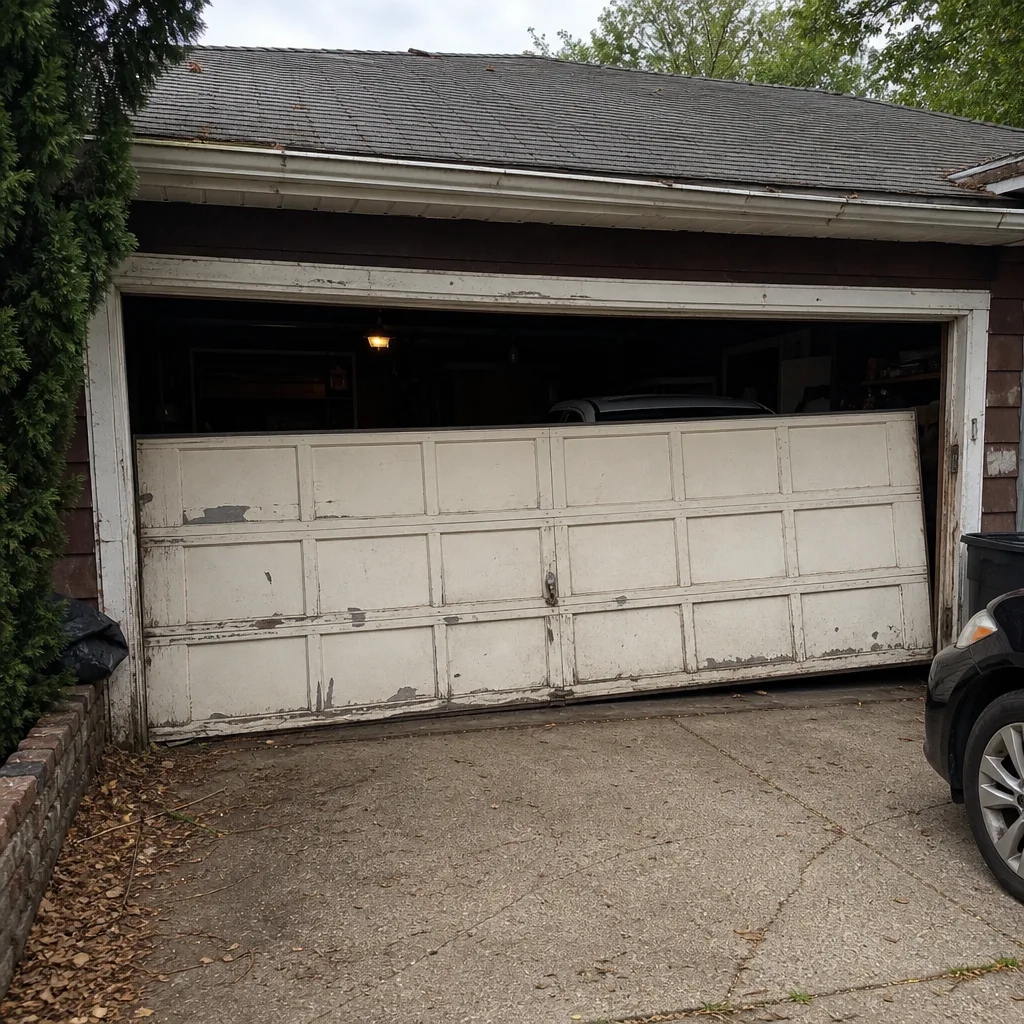
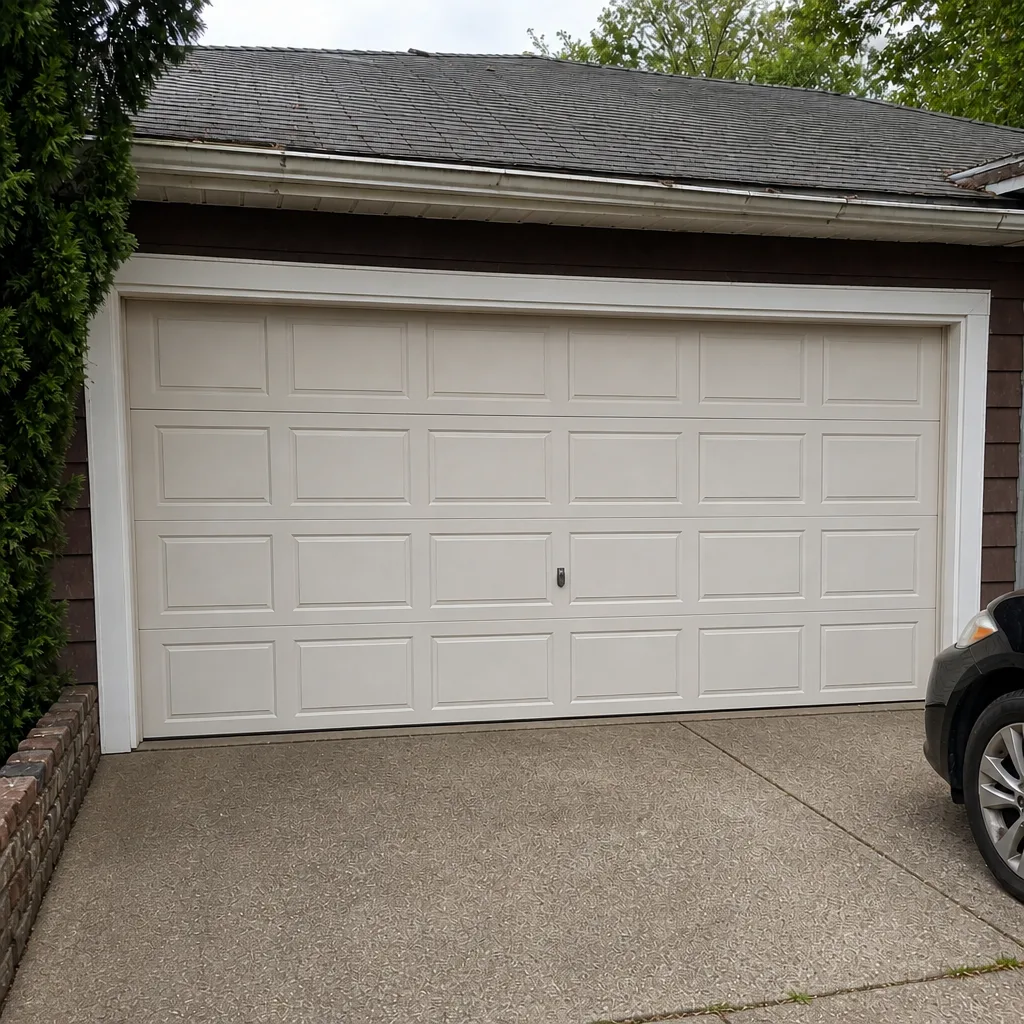
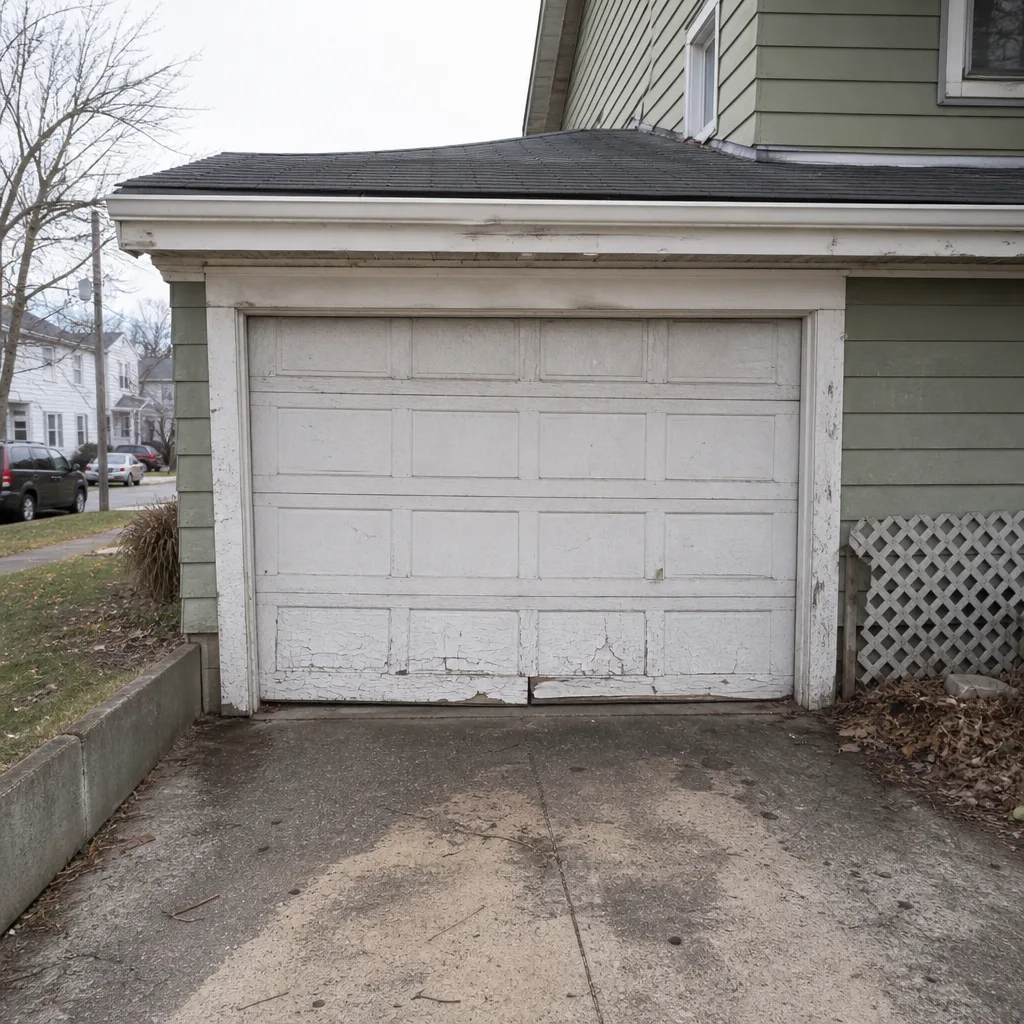
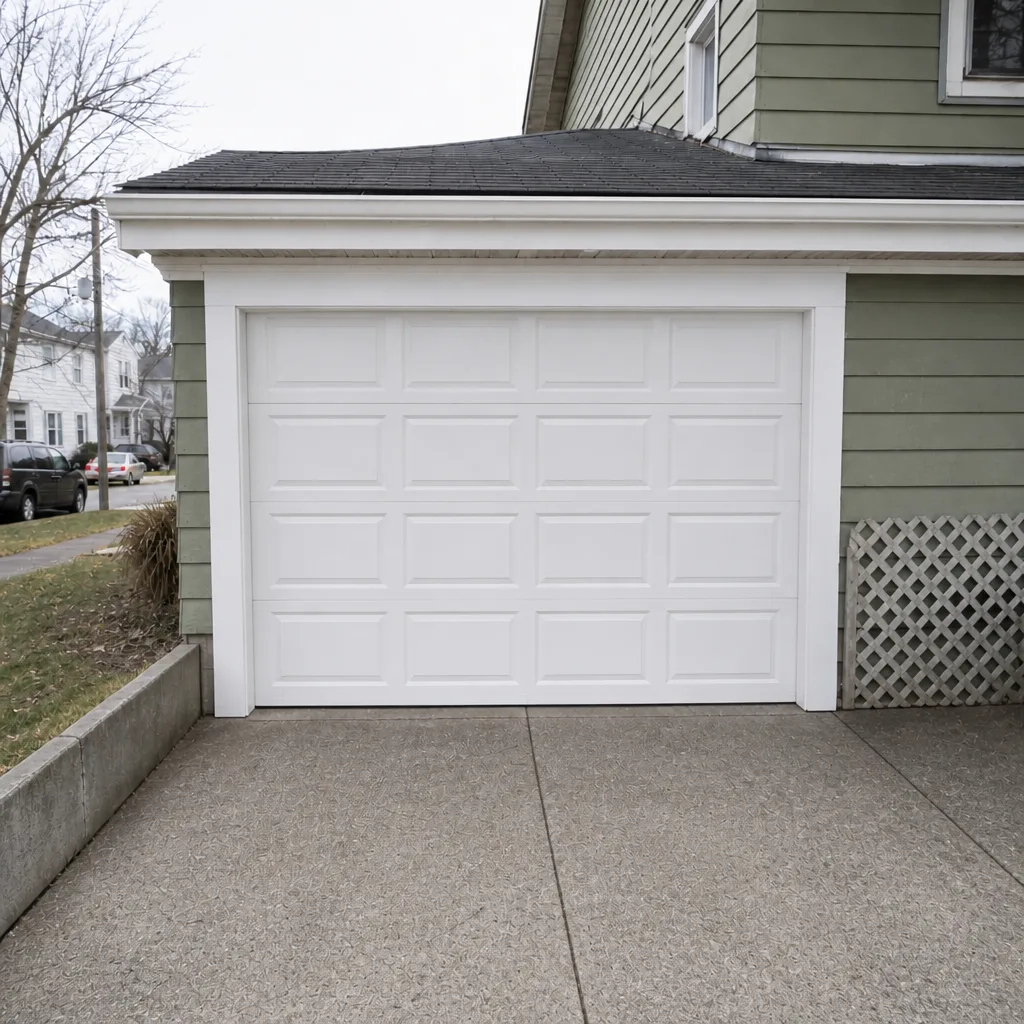
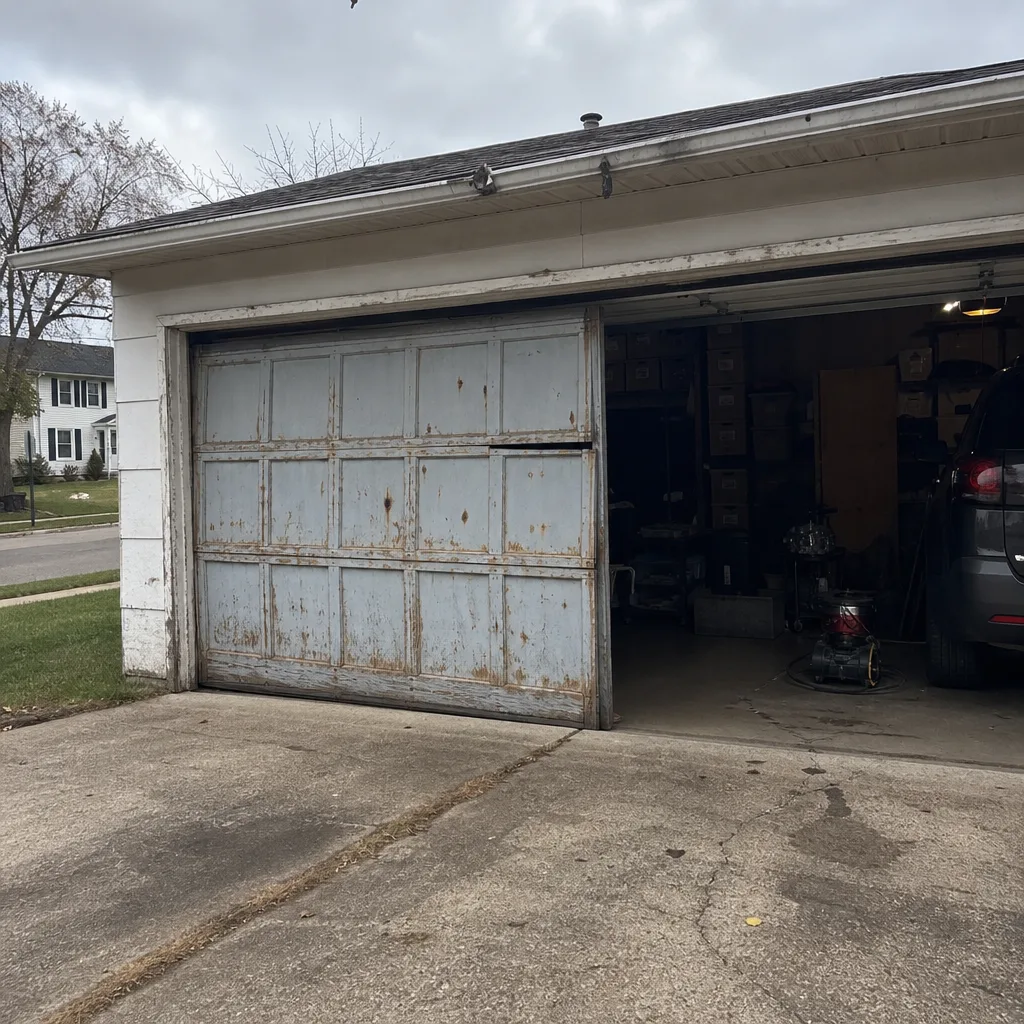
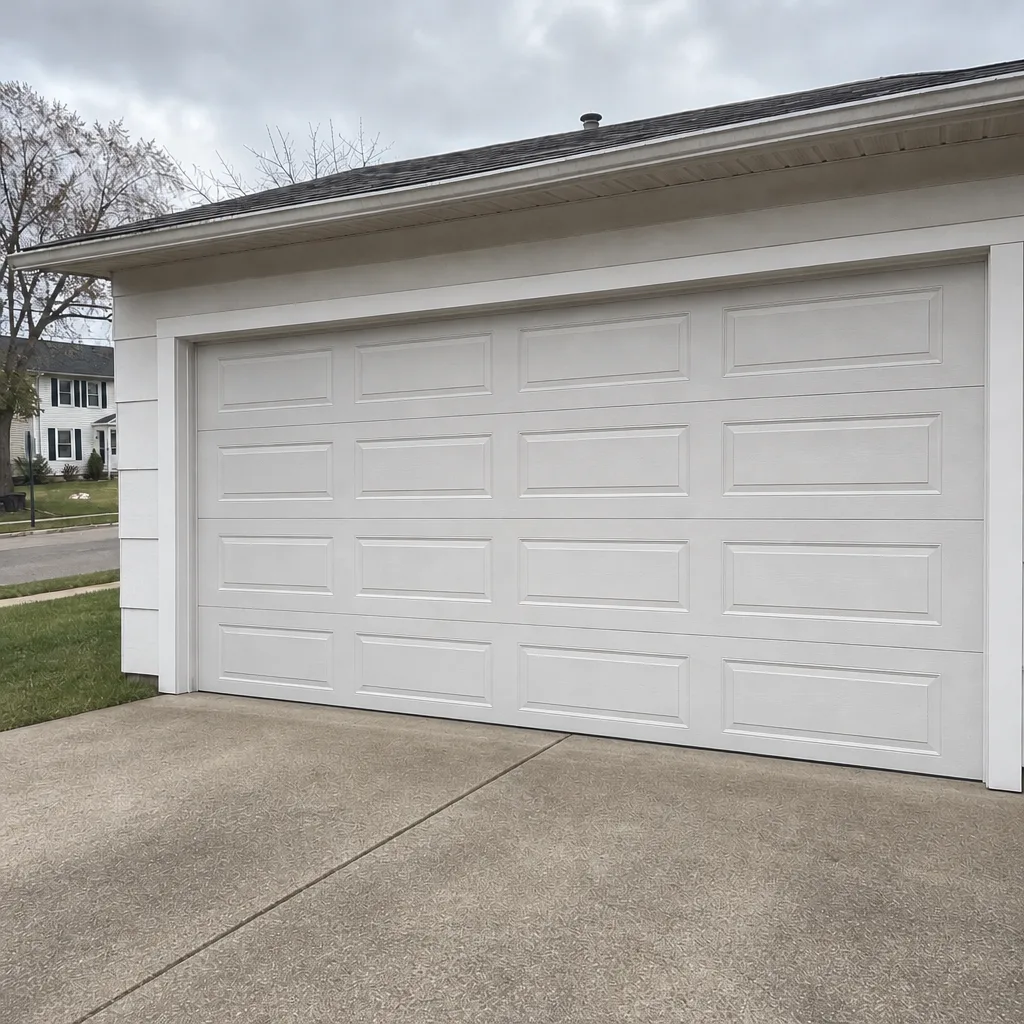
See the difference
 Before
 After
 Before
 After
 Before
 After
When to Call a Professional
Some problems are safe to handle with a wrench and a lubricant can. Others need a trained technician. Call a professional if you see any of these:
- A broken spring (you’ll often hear a loud bang and the door won’t lift).
- A frayed, kinked, or loose cable.
- A door that’s out of balance and drifts or slams.
- An opener that strains, stops midway, or won’t respond.
- A door that’s off its tracks or visibly crooked.
- Any noise or movement that worries you.
If you’re in Inwood and any of these apply, don’t use the door until it’s inspected. We provide emergency garage door service for failures that can’t wait, and we work on the brands you already own. Garage Door Repair Inwood offers free estimates in Inwood. Call (877) 584-3370 to get an appointment and a written price before any work starts. The price you agree to is the price you pay.
Frequently Asked Questions
Every two to three months during the humid season, and every four to six months during drier months. Inwood’s humidity is the main reason the shorter interval matters. If your door is used several times a day, stick to the shorter interval year-round. Call (877) 584-3370 if you’d like a professional to handle it.
Yes, the balance test is safe as long as you don’t touch the springs or cables. Disconnect the opener, lift the door halfway, and let go. A balanced door stays put. A door that drifts down or up needs a technician. Call (877) 584-3370 for an exact quote.
The springs and cables. They’re under extreme tension and can cause serious injury if handled incorrectly. Springs are the most dangerous component in your garage door system, and we handle them so you don’t have to. Don’t touch spring hardware yourself. Call (877) 584-3370.
Book a tune-up if it’s been more than a year since the last one, if the door feels heavy or noisy, or if you notice rust, frayed cables, or worn rollers. In Inwood, the humid season makes an annual tune-up the right baseline. Call (877) 584-3370 for a free estimate.
It’s a visual inspection you do once a month: check the door’s level, look at hinges and rollers for rust, inspect cables for fraying, clean the tracks, listen for new noises, and test the safety reverse. It catches most problems before they become emergency calls. Call (877) 584-3370 if anything looks wrong.
We service eight major brands: LiftMaster, Chamberlain, Genie, Clopay, Amarr, Wayne Dalton, Craftsman, and Raynor. That covers most doors and openers already installed in Inwood homes. If you’re unsure about your brand, call (877) 584-3370 and we’ll confirm.
The Bottom Line
A maintenance checklist works when it’s timed to how your door actually wears. In Inwood, that means accounting for humidity, freeze-thaw cycles, and daily use. The core routine is simple: run a five-minute walk-around every month, lubricate with a product that survives moisture, test balance twice a year, and leave springs and cables to a professional.
Most emergency calls we see could have been avoided with that routine. If you’d rather have a technician handle the full checklist, we cover everything from the opener to the panel to the spring. We work on the brand you already have, and we handle spring repair directly. The price is quoted and agreed before any work starts. Call (877) 584-3370 for a free estimate in Inwood.
Written by the team at Garage Door Repair Inwood.