Last updated November 21, 2026
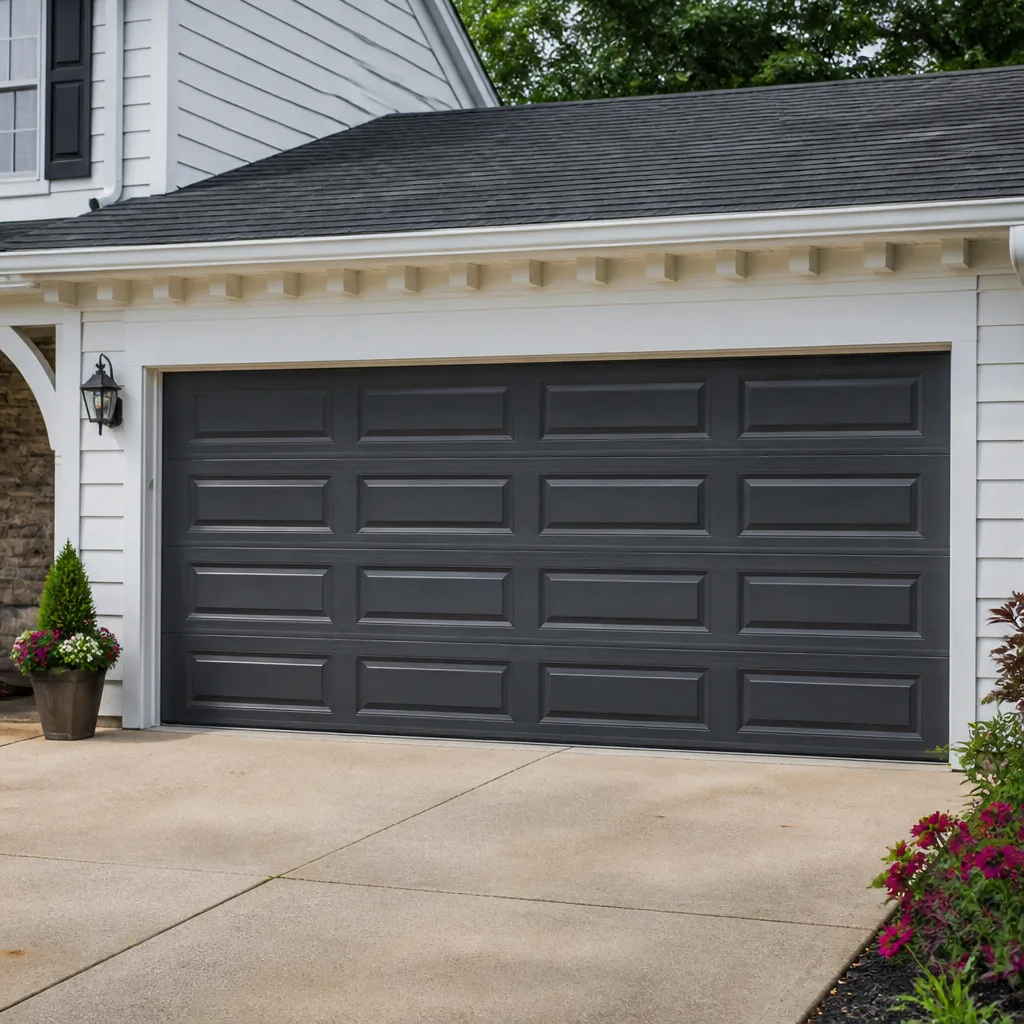 Raised-panel steel
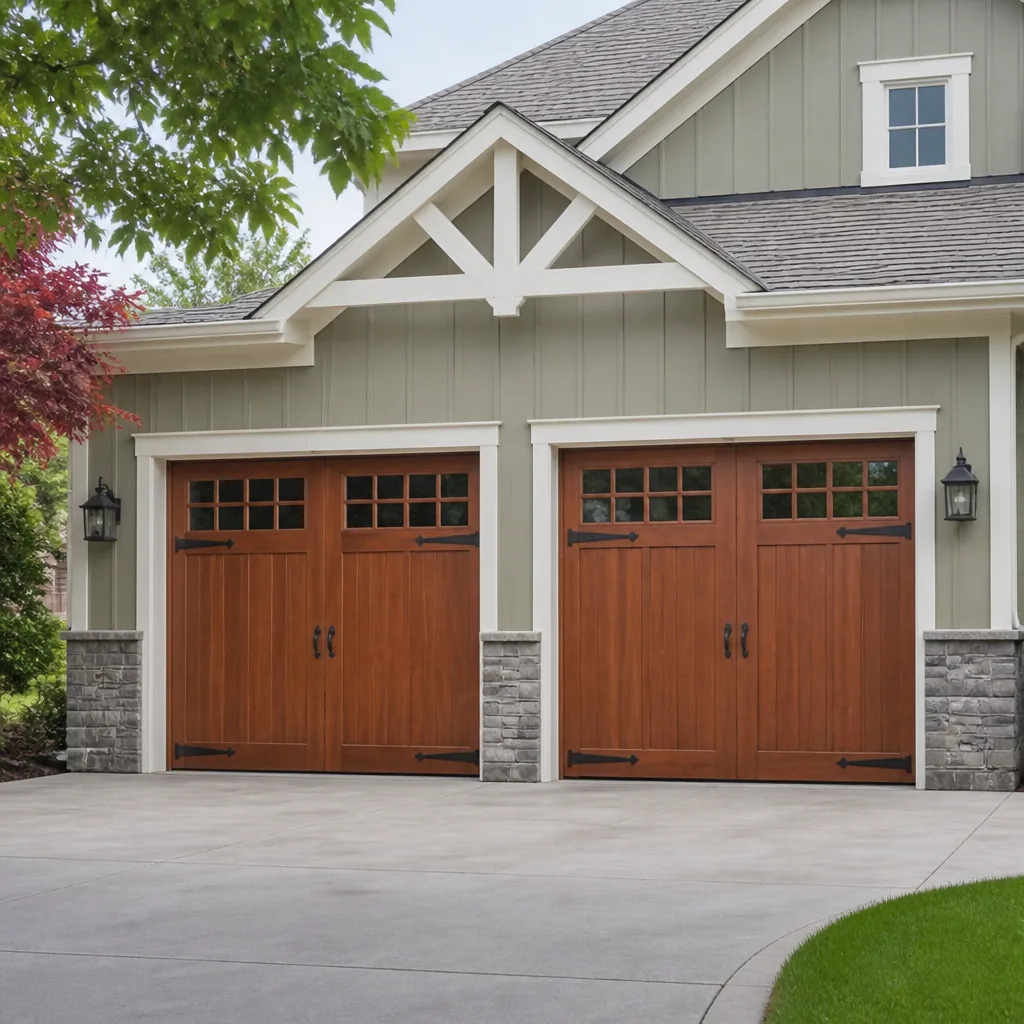 Carriage house
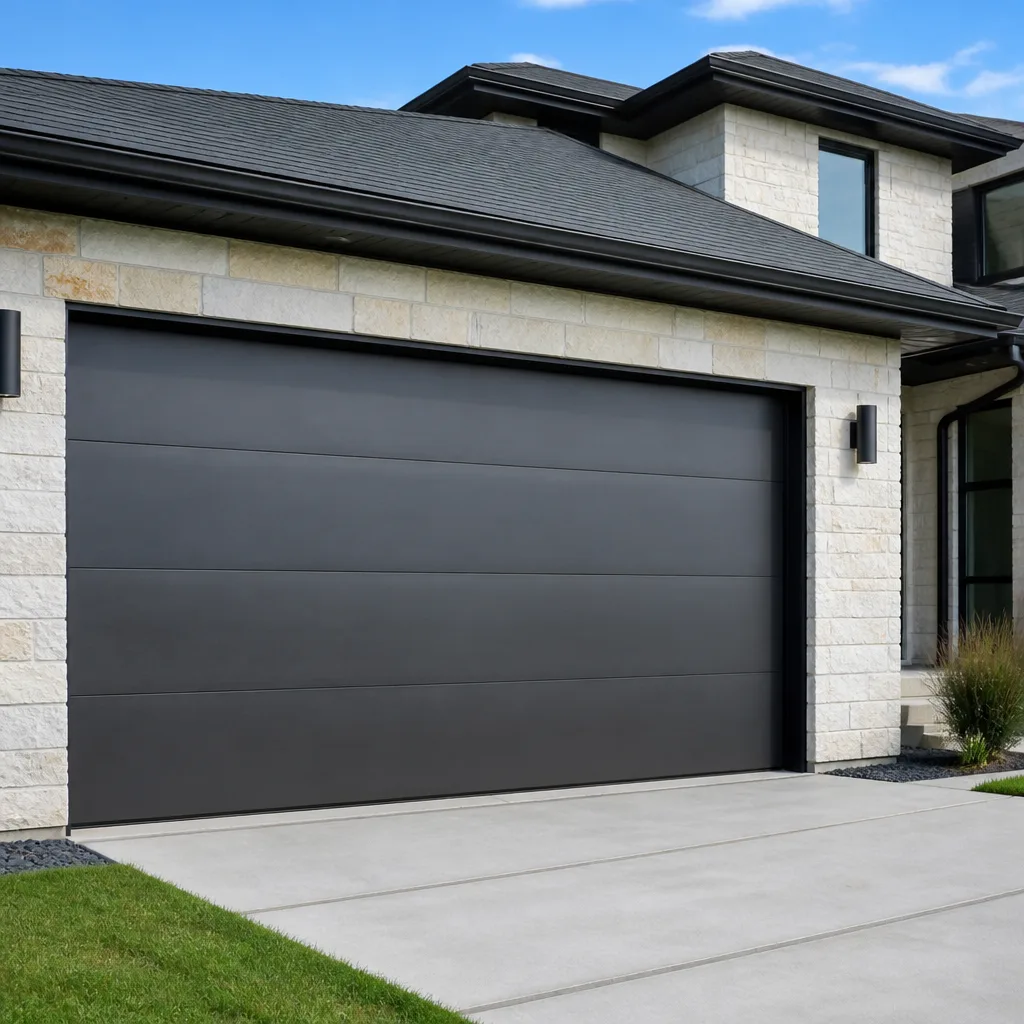 Modern flush
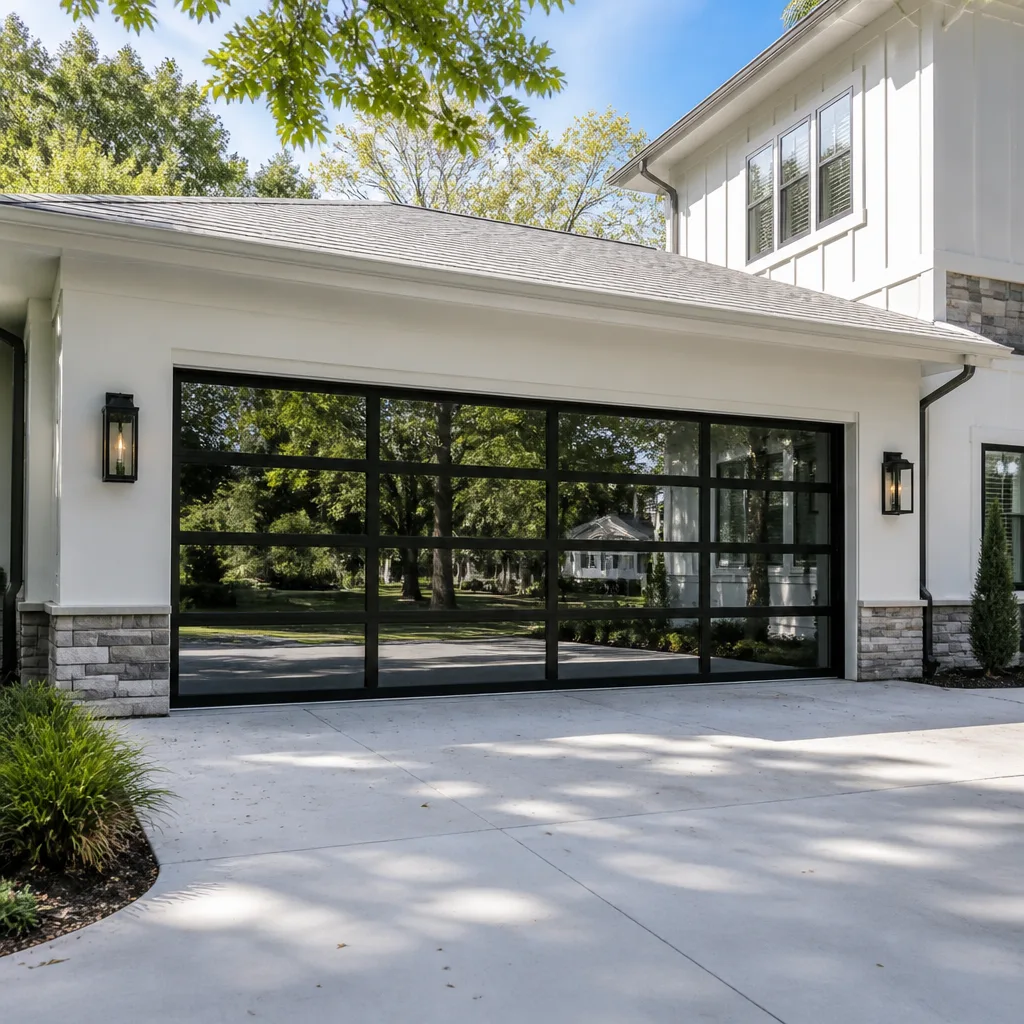 Full-view glass
 LiftMaster openers
 Chamberlain openers
Full 25-point door and opener safety check with every visit - springs, cables, rollers, tracks, and your LiftMaster or Chamberlain opener included
You get a price before we start. It does not change when the pro arrives.
Get your free estimateGarage Door Warning Signs: An Inwood Homeowner’s Reference Guide
A garage door that hesitates for two seconds before moving isn’t being slow. It’s telling you which component is failing, and it’s usually not the one that gets quoted first. Most homeowners hear a new grind or feel a lurch and file it under “it’s just old” right up until the door stops dead. The hardware disagrees. Every failing spring, fraying cable, and bending track sends out symptoms well before it quits, and those symptoms point to a specific part. This guide decodes them. You’ll learn to read noise, motion, and visible wear, understand how much time you likely have before each kind of failure, and know which warnings are safe to watch and which need a call to a professional in Inwood right away.
Quick Answer
The most common early warning signs of a failing garage door are a loud grind, pop, or scrape during travel, a door that moves unevenly or reverses on its own, and visible fraying on cables or gaps in spring coils. Grinding usually points to rollers, bearings, or the opener; popping points to a torsion spring or a loose panel; scraping points to a track or roller problem. Springs and cables can fail with no second chance, so any sign of wear on those two components means stop using the door and call a technician.
Styles & brands we work with
- Raised-panel steel
- Carriage house
- Modern flush
- Full-view glass
- LiftMaster openers
- Chamberlain openers
Table of Contents
- What the Sound Is Telling You: Grinding, Popping, and Scraping
- The Visual Inspection Checklist
- Operational Symptoms and Their Root Causes
- How Fast Each Component Fails: The Progression Timeline
- DIY-Safe Monitoring vs. Call-Immediately Warnings
- Opener Warning Signs Most People Miss
- Why Inwood Doors Age the Way They Do
- Common Mistakes to Avoid
What the Sound Is Telling You: Grinding, Popping, and Scraping
Sound is the fastest diagnostic tool you have, and it’s free. A garage door in good shape makes a low, even hum from the opener and a soft roll from the panels. Anything sharper than that is information. The trick is separating the three noises homeowners confuse most, because each one comes from a different part of the system and carries a different urgency.
Grinding
Grinding is metal-on-metal friction, and it almost always comes from moving parts that should be smooth. Rollers with worn bearings, dry hinges, or a torsion tube rubbing in its end plates produce a steady, low grind that gets worse as the door travels. A higher-pitched grind from the ceiling unit itself usually points to the opener’s gears or the motor, especially on older chain-drive units. Grinding is rarely an emergency, but it doesn’t fix itself. Left alone, seized rollers start dragging the door and loading the opener.
Popping
A single sharp pop, often at the start or end of travel, deserves attention. If it comes from the torsion bar above the door, the spring is winding unevenly or a coil has shifted. If it comes from a panel, a hinge has loosened or a section has cracked. Popping from the spring side is the one to take seriously. Springs under tension can release suddenly, and the pop is often the last warning before they do.
Scraping
Scraping is the sound of the door dragging against something, and it’s the easiest to pin down. A bent track, a roller that has jumped its channel, or a panel knocked out of alignment will scrape on one side or across one section. Scraping is usually a mechanical alignment issue rather than a safety hazard, but a door that scrapes can twist its cables over time. Have it looked at before the drag damages more than the track.
If you can’t place the noise, note when it happens: at open, at close, mid-travel, or at the very end. That single detail saves a technician time and tells you whether it’s an opener or hardware issue before anyone looks. We work on the brand you already have, so whatever the label on your opener, the diagnosis starts the same way.
The Visual Inspection Checklist
Most failing components give you a visible cue before they give you a mechanical one. A five-minute walk-around, done every few months, catches the majority of wear early. What you’re looking for is change: a cable that used to sit flat and now has a loose strand, a spring that used to look solid and now has a gap. Here’s the checklist we’d hand any homeowner.
- Springs. Look at the coil above the door (torsion) or beside the track (extension). An intact torsion spring is one continuous, tightly wound coil. A visible gap of an inch or more in the middle means a broken spring. An extension spring that has stretched noticeably longer than its neighbor is overstressed.
- Cables. Run your eye, not your hand, down each cable. Flat, even braiding is fine. Frayed strands, a kink, or a cable sitting loose off its drum means the cable is failing. Never touch a cable under tension.
- Rollers. Check the wheels along each side of the door. Worn rollers look chipped, flat-spotted, or loose in their stems. Steel rollers that have gone rough or nylon rollers that have cracked both need replacing.
- Tracks. Stand back and look down each vertical and horizontal track. The gap between the door and the track should be even top to bottom. Any bend, dent, or widening gap will pull the door off its path.
- Hinges and hardware. Loose bolts, a hinge pulling away from the panel, or a bracket showing a crack are all early warnings worth catching.
- Panels. Look for cracks at the corners, separation at the seams, or a gap between sections that wasn’t there before.
Two rules make this checklist safe: look, don’t touch anything that holds tension, and don’t test a suspect spring by running the door. If a spring looks broken, the door is not safe to operate, and the next section explains why that matters so much more than it sounds.
Operational Symptoms and Their Root Causes
Hardware noise and visible wear get the attention, but how the door moves is often the clearest signal of all. Motion problems map to root causes more reliably than almost any other symptom, and they’re the ones homeowners describe best when they call us here in Inwood. Here’s how the most common operational complaints break down.
- Slow or labored movement. A door that rises more slowly than it used to, or that seems to strain, usually has worn rollers or a spring that has lost some of its lift. If the opener is straining too, the balance is off and the motor is doing work the spring should be doing.
- Uneven travel. A door that goes up crooked, or where one side lags, points to a stretched spring, a loose cable, or a track out of alignment. Uneven travel wears the cables faster, so it tends to get worse quickly.
- Reversal mid-cycle. A door that stops and reverses on its own is usually tripping its safety sensors or hitting the force limit. This is often an opener issue or an obstruction in the sensor beam, but it can also be a binding door the opener decides is too heavy to lift.
- Door won’t stay up. A door that closes on its own from a partway position is badly out of balance. That’s a spring problem nine times out of ten, and it’s a stop-driving warning.
- Door opens partway and stops. Usually a travel-limit setting on the opener or a binding track. If the older opener has a garage door opener repair need, this is one of the most common reasons people call.
Uneven travel and a door that won’t stay up are the two that most often get waved off. We’d rather you didn’t. Both put extra load on the cables and springs, and a door that started with a small imbalance can be a snapped cable within weeks.
How Fast Each Component Fails: The Progression Timeline
One of the most useful things to know is not just what’s failing, but how long you likely have. Some warnings give you months. Others give you a day. The timeline is different for each component, and knowing it helps you decide between “schedule a visit” and “stop using the door now.”
- Springs. No reliable warning window. A spring can show a slight sag or a subtle pop for days, or fail with no visible sign at all. Springs are the most dangerous component in your garage door system, and once one is clearly broken, the door should be left closed and left alone.
- Cables. Fraying gives you a short window. A single loose strand can progress to a full failure within a few days of regular use. Visible fraying means stop driving the door.
- Rollers and hinges. The slowest failure. A worn roller can grind for months before it actually fails, which is why this is the best category for early replacement. Catching it early keeps the load off the opener.
- Tracks. Depends on the cause. A track bent by an impact can fail over days. A track that gradually drifts out of alignment takes weeks to become a full derailment risk. A scraping sound means it’s already too far.
- Opener. Usually gives you the most warning of all: slower travel, a delay before it starts, a light that flickers, or a remote that only works close up. Gear wear tends to progress over a period of use rather than in a single event.
The short version: rollers and openers give you time, cables and springs don’t. In our experience, the homeowners who avoid the worst failures are the ones who learn to read the slow warnings and stop treating the fast ones as something to get to later.
DIY-Safe Monitoring vs. Call-Immediately Warnings
Not every warning sign carries the same risk, and knowing which is which keeps you safe without wasting a call. Some things you can monitor, note, and address on your schedule. Others need the door out of service until a trained technician has looked at it. This distinction matters more than any other in this guide.
Safe to monitor yourself:
- Loose hinges and bolts you can tighten with a wrench
- Worn rollers that grind but still roll smoothly
- A noisy track or a door that needs a little light lubrication on the moving parts
- An opener that’s slower than it used to be, as long as the door isn’t binding
Call immediately and stop using the door:
- A visible gap in a torsion spring or an extension spring clearly stretched or broken
- Any frayed or kinked cable
- The door dropping or slamming rather than lowering smoothly
- A door that won’t stay up or has fallen off its track
Springs and cables aren’t do-it-yourself components. Torsion springs store a large amount of energy under tension, and a cable can snap with enough force to cause serious injury. Adjusting or replacing either without the right tools and training isn’t worth the risk. This is why we treat spring repair as its own dedicated service rather than something to fold into a general repair visit: it’s one of the most mechanically demanding jobs in the trade, and it’s exactly where a wrong move does the most harm. There’s no version of a spring or cable warning where the right answer is to test it yourself. Call a professional and let them handle it.
Opener Warning Signs Most People Miss
The opener gets blamed for everything, and it’s often not the culprit. But when it is failing, it gives you a set of warnings that homeowners tend to read as normal aging. The trouble is that opener symptoms and hardware symptoms look alike from the driver’s seat, and getting the diagnosis right decides whether you need a small repair or a bigger one.
Watch for an opener that:
- Hesitates before moving. A delay between the click and the door moving points to gear wear or a failing capacitor.
- Stops short or reverses without an obstruction. That’s usually the force limit, which may be reacting to a binding door rather than the opener itself.
- Responds to the wall switch but not the remote. This points to the remote, the receiver, or the battery far more often than the motor.
- Logs the door as open when it’s closed. On app-connected systems, a status that doesn’t match the door is often a sensor or a connectivity issue, not a motor failure.
- Loses its light but still moves the door. Usually a bulb or a control board, and worth fixing before it spreads to the motor.
If you’re facing the early signs of a failing opener, a garage door opener repair visit is the way to pin down whether the unit itself is failing or the door is putting too much load on it. That distinction is what keeps a small problem from turning into a new opener. We handle both LiftMaster and Chamberlain units, including the app-connected models, alongside legacy systems, so the diagnosis starts with what you already own.
Why Inwood Doors Age the Way They Do
Garage doors wear out on a curve shaped by how they’re used and where they sit, and Inwood homes put a particular kind of load on their doors. Much of the neighborhood’s housing stock is brick and wood-frame, often with detached or semi-detached garages and doors that have been doing daily duty for a long time. A door that opens and closes several times a day puts real cycles on its springs, and the more cycles, the closer a spring gets to the end of its usable life. It’s normal for a spring in a well-used Inwood garage to fail well before a door still looks old.
There’s also the matter of Inwood’s seasonal cycle. The swing from cold winters to warm, humid summers works on the wood and metal in the door structure, so tracks can shift and panels can expand just enough to change the gap at the edges. This is why a door that ran clean all summer can start to scrape in a different season without any obvious cause. The house settles, and the tracks move with it.
None of this means your door needs replacing. It means the warning signs matter more here, and the diagnosis should start with the specific hardware and how the door has been used, not a guess from the color of the paint. Our technicians have up to 12 years of experience reading exactly this kind of wear, and we work on 8 of the most common brands, including Clopay, Amarr, and Wayne Dalton, so the door you already have is usually one we can fix rather than replace.
When a door fails suddenly, that’s when the call gets urgent. Emergency garage door service is built into what we offer here in Inwood, and a broken spring or a door off its track is exactly what that service is for. If you’re not sure whether it’s urgent, the timeline section above is a good place to start. Grinding rollers can wait. A broken spring can’t.
Common Mistakes to Avoid
- Greasing a torsion spring or a cable. It feels like maintenance, but grease attracts grit that grinds the coil and hides the wear you’d otherwise see. Keep lubricant on the hinges, rollers, and hinges, and keep it off the tension parts.
- Testing a suspect spring by opening the door. If a torsion spring shows a gap or an extension spring looks stretched, running the door can turn a problem into a failure. Stop using the door and call.
- Adjusting the opener force limit to make the door move. Turning up the force so a binding door will lift works right up until a cable breaks. The binding was the real problem all along.
- Blaming the opener for a hardware symptom. A door that stalls, reverses, or travels unevenly is more often a spring, cable, or track issue than a dead motor. Pull the emergency release by hand only when it’s safe to do so, and don’t force it.
- Ignoring a scrape or a drag on one side. A small alignment issue wears the cable on that side, and that’s how a track problem becomes a cable failure. Catch it while it’s still a track problem.
- Putting off a service visit in a well-used Inwood garage. Cycles add up, and springs in heavy-use doors wear on a faster curve. A check when the noise changes is cheaper than a failure.
- Trying to fix a cable or spring yourself. These two components carry enough stored energy to cause serious injury, and the tools and training matter. Leave them to a trained professional.
See the difference
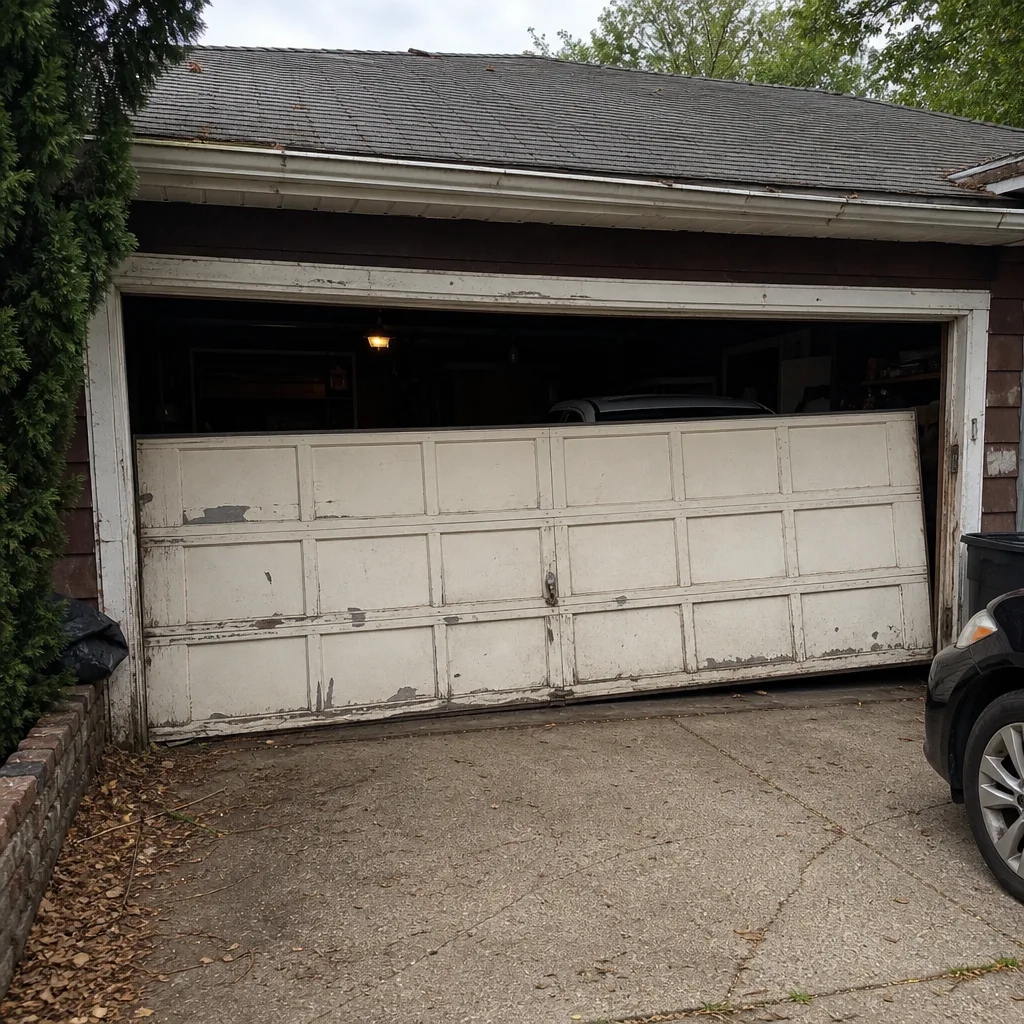 Before
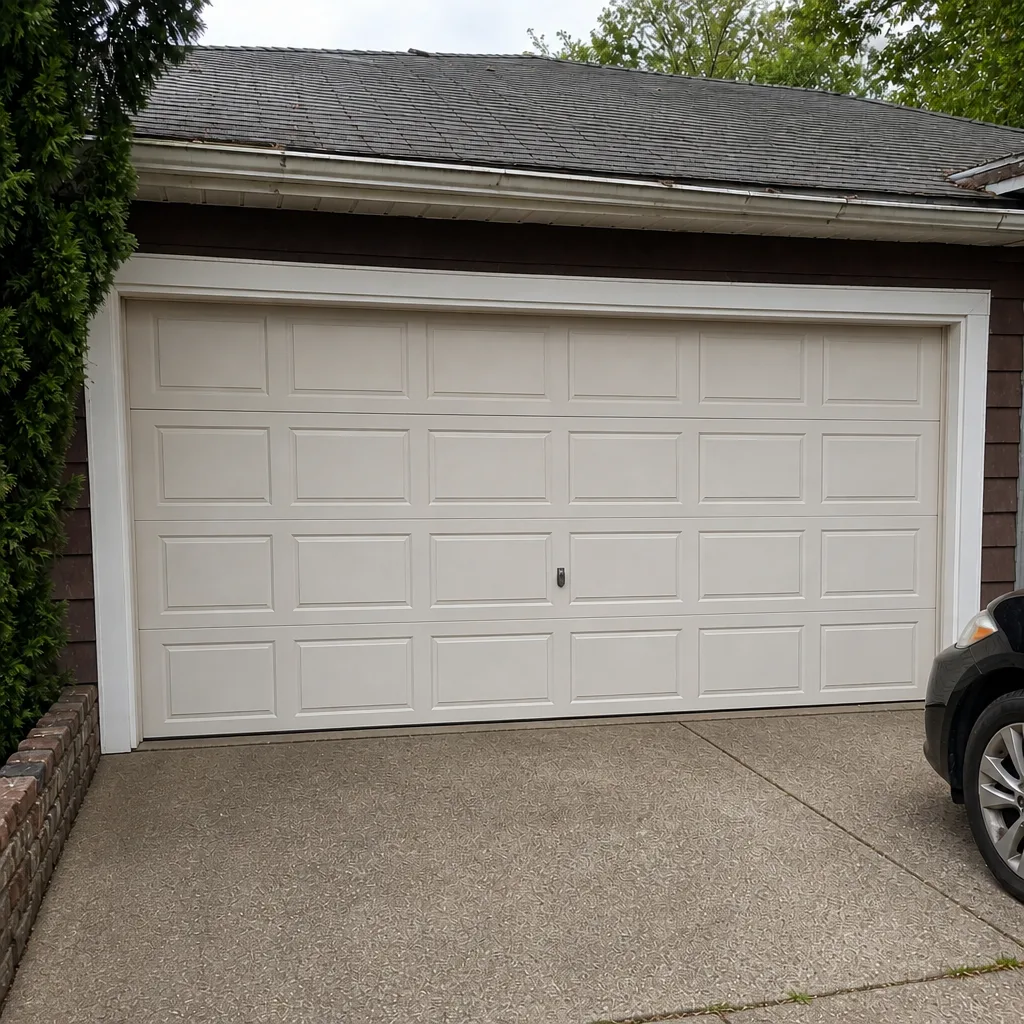 After
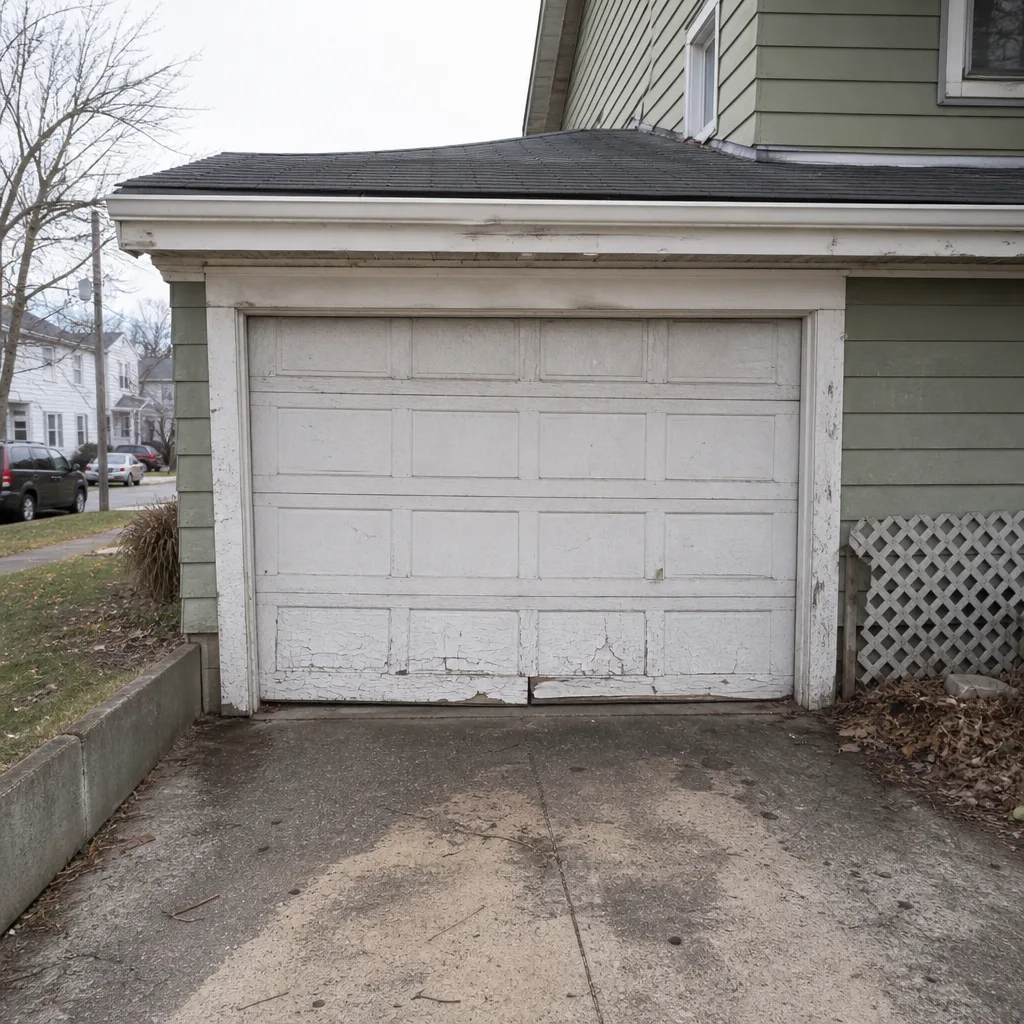 Before
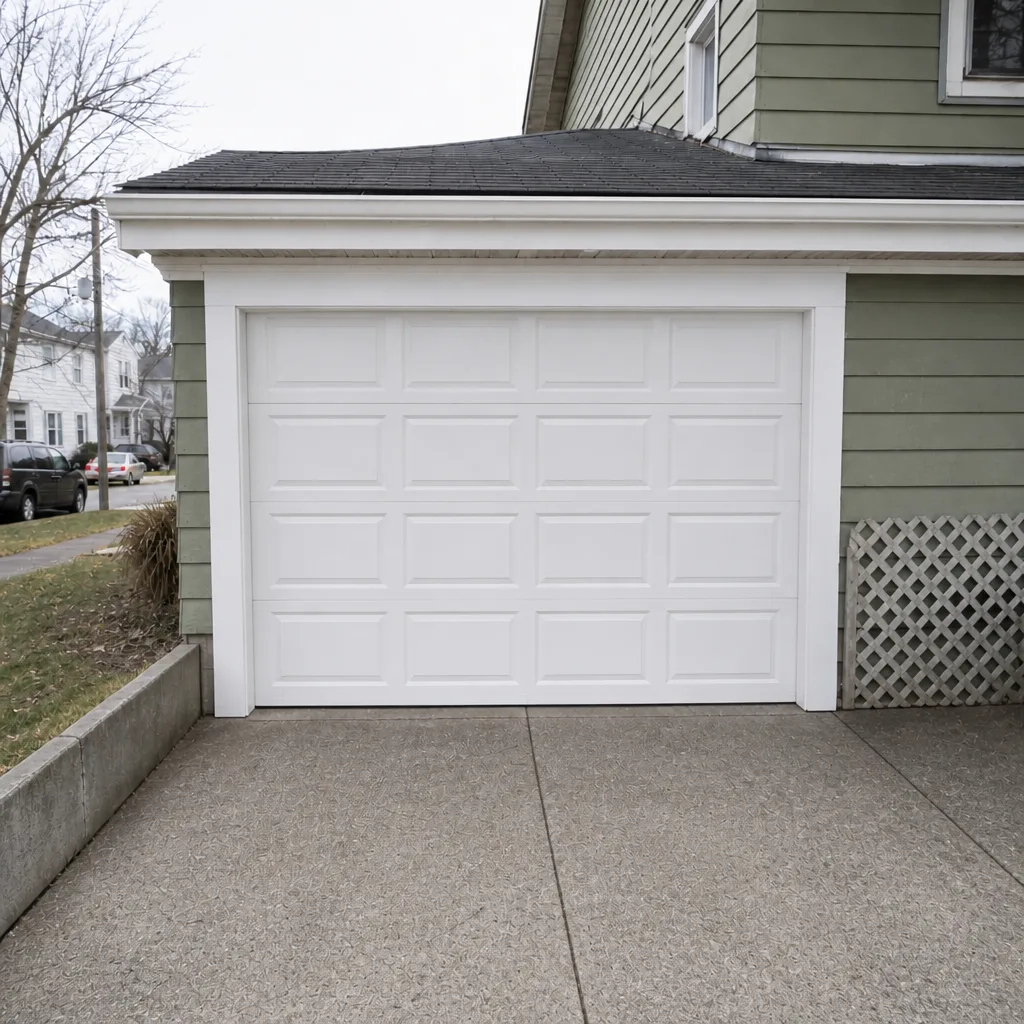 After
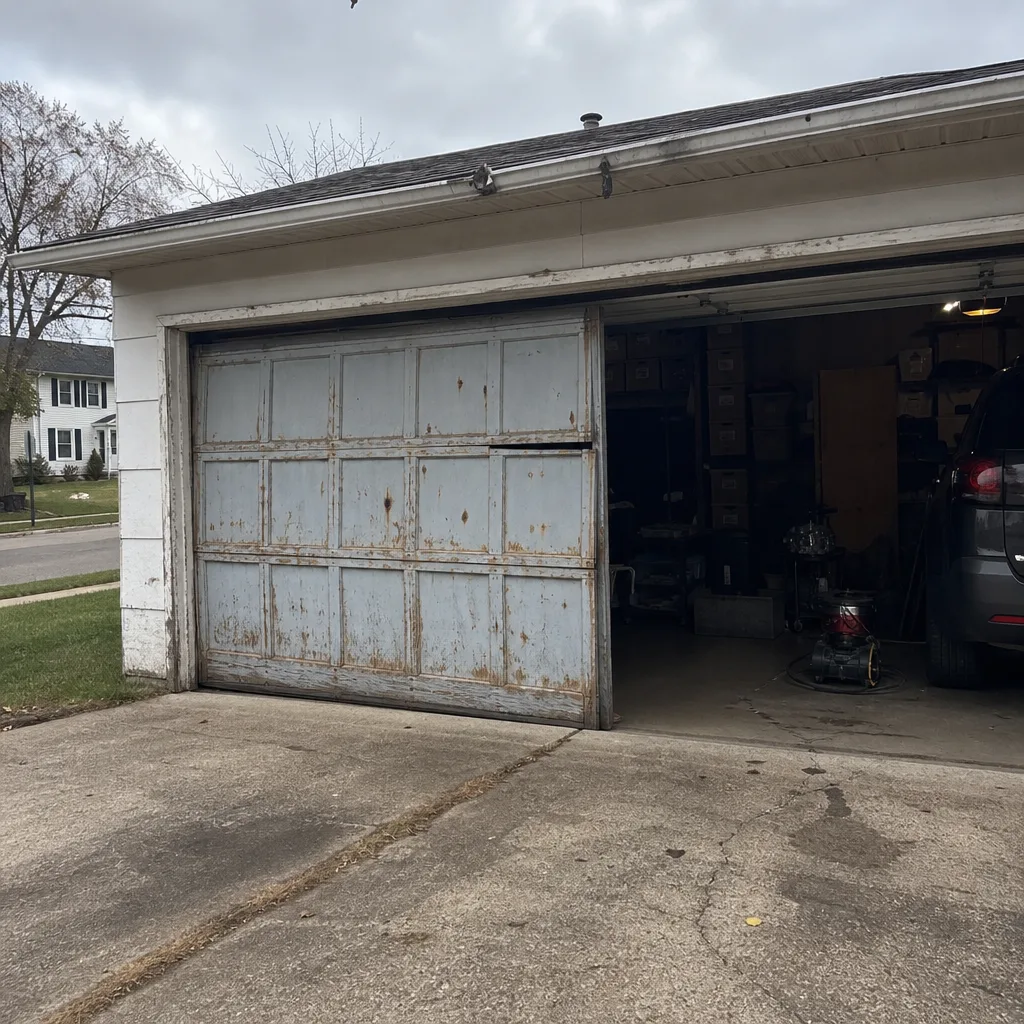 Before
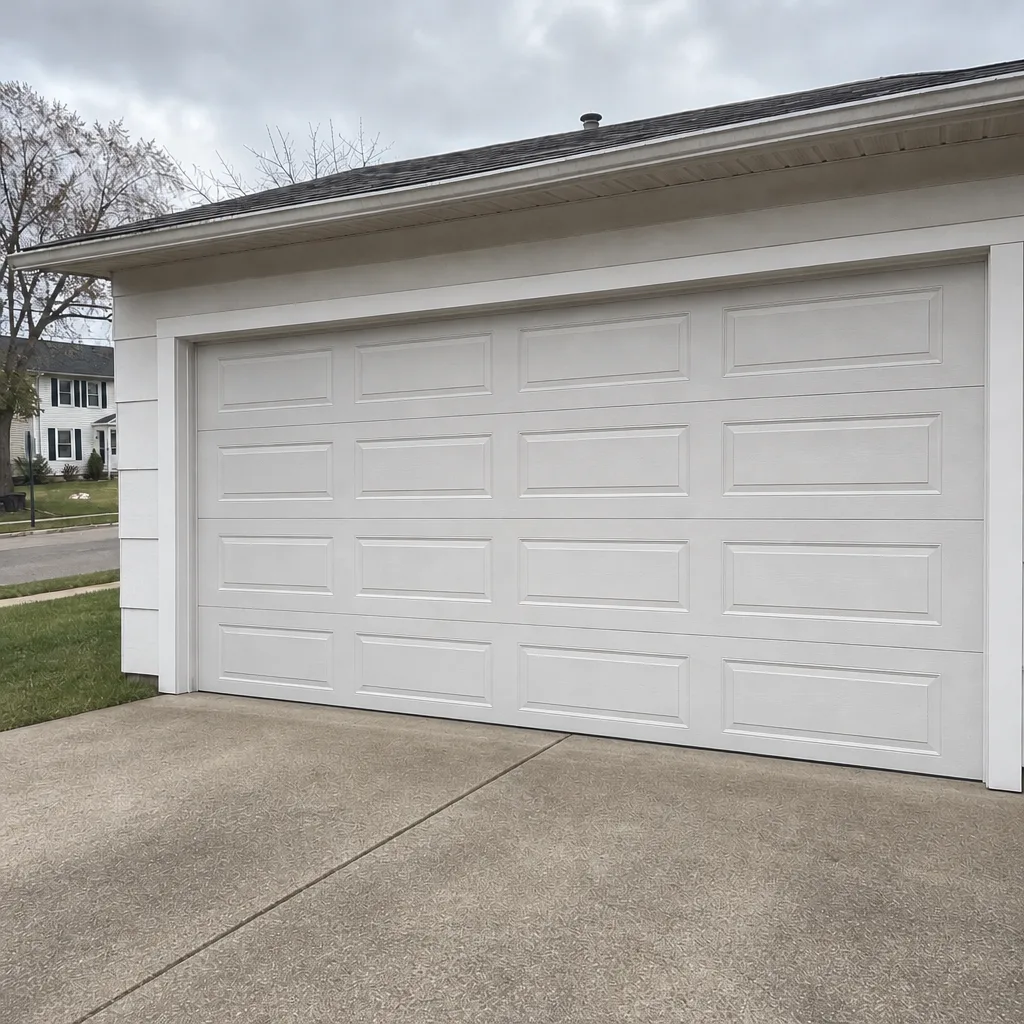 After
When to Call a Professional
Call us when the warning sign involves a spring or cable, when the door reverses or drops without an obvious cause, or when it won’t stay up. Call when a track is bent or the door has come off it. Call when grinding turns into dragging, or when the opener stops responding to the wall switch entirely. Those are the cases where the problem moves quickly and the safe option is to stop using the door. Garage Door Repair Inwood offers free estimates in Inwood. Call (877) 584-3370 and we’ll get you a straight answer on what’s actually failing, and a price quoted and agreed before any work starts. For a full look at how we handle repairs from the opener to the panel to the spring, or garage door repair made simple, start on our main page. If your door is on its last legs, we can talk through garage door installation as well. And for the full range of what the team here in Inwood covers across all 8 brands, see Garage Door Repair Inwood.
Frequently Asked Questions
The first sign is usually a change in sound: a grind, a pop, or a scrape that wasn’t there before. Sound changes before the door stops moving, so it’s the earliest read you get. Next most common is a door that moves unevenly or hesitates before starting.
A single sharp pop from the spring area above the door is the one to treat as dangerous. It often means the torsion spring is winding unevenly or a coil has shifted, and failure can follow quickly. Popping from a panel or hinge is usually a loose or cracked part and is less urgent. If you can’t tell where the pop comes from, have it checked.
Not long. A single loose strand can progress to a full cable failure within a few days of regular use. A frayed cable is a stop-driving warning. Keep the door closed and call a technician.
No, and it’s the wrong fix for most slow doors. A slow or labored door is usually worn rollers, a track issue, or a spring that has lost lift, not a weak opener. Raising the force limit so the motor can overcome the problem loads the cables and springs instead of fixing the cause. Diagnose the hardware first.
Yes, seasonal movement is a real factor here. Cold winters and warm humid summers work on the door structure and the tracks, so a door that ran clean in one season can start to scrape in another without an obvious event. Inwood homes with well-used daily doors also put real cycles on their springs, and heavy use shortens the timeline on spring wear.
No. The written quote you agree to before any work starts is the price. A technician may find the diagnosis differs from the obvious symptom, but any change to the scope gets quoted and agreed before anything is done. Call (877) 584-3370 for an exact quote. Estimates are free.
The Bottom Line
A garage door failure isn’t a sudden event. It’s the end of a progression that started with a sound, a sag, or a lurch, and most of those signals give you enough time to act if you know what you’re reading. Grinding points to rollers and the opener and usually gives you months. Popping from the spring side gives you very little. Frayed cables and visible spring breaks are stop-driving warnings, and they need a trained professional, not a do-it-yourself attempt. In Inwood, the seasonal swing and heavy daily use make the warning signs worth reading sooner rather than later. When a symptom points to the spring or cable, or the door won’t stay up, call us at (877) 584-3370. Estimates are free and the price is quoted and agreed before work starts.
Written by the team at Garage Door Repair Inwood.