Last updated November 21, 2026
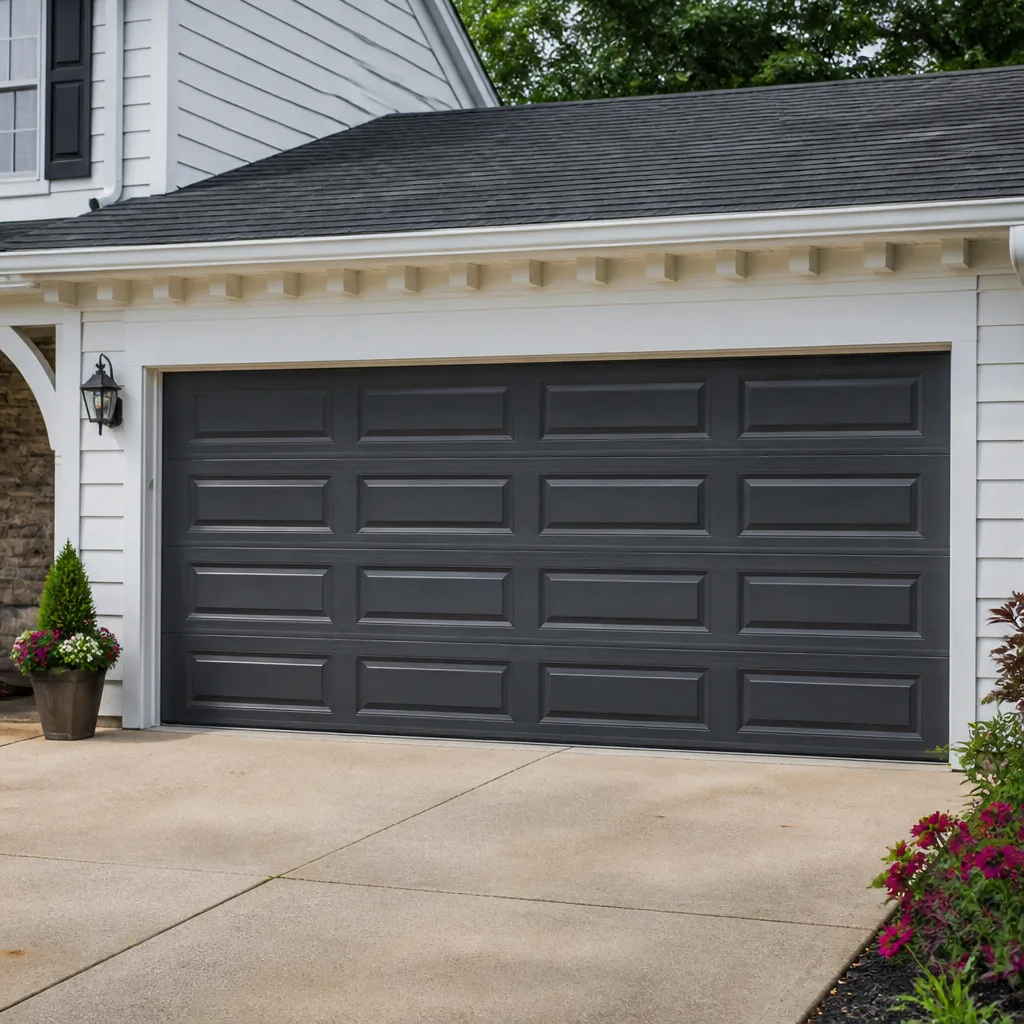 Raised-panel steel
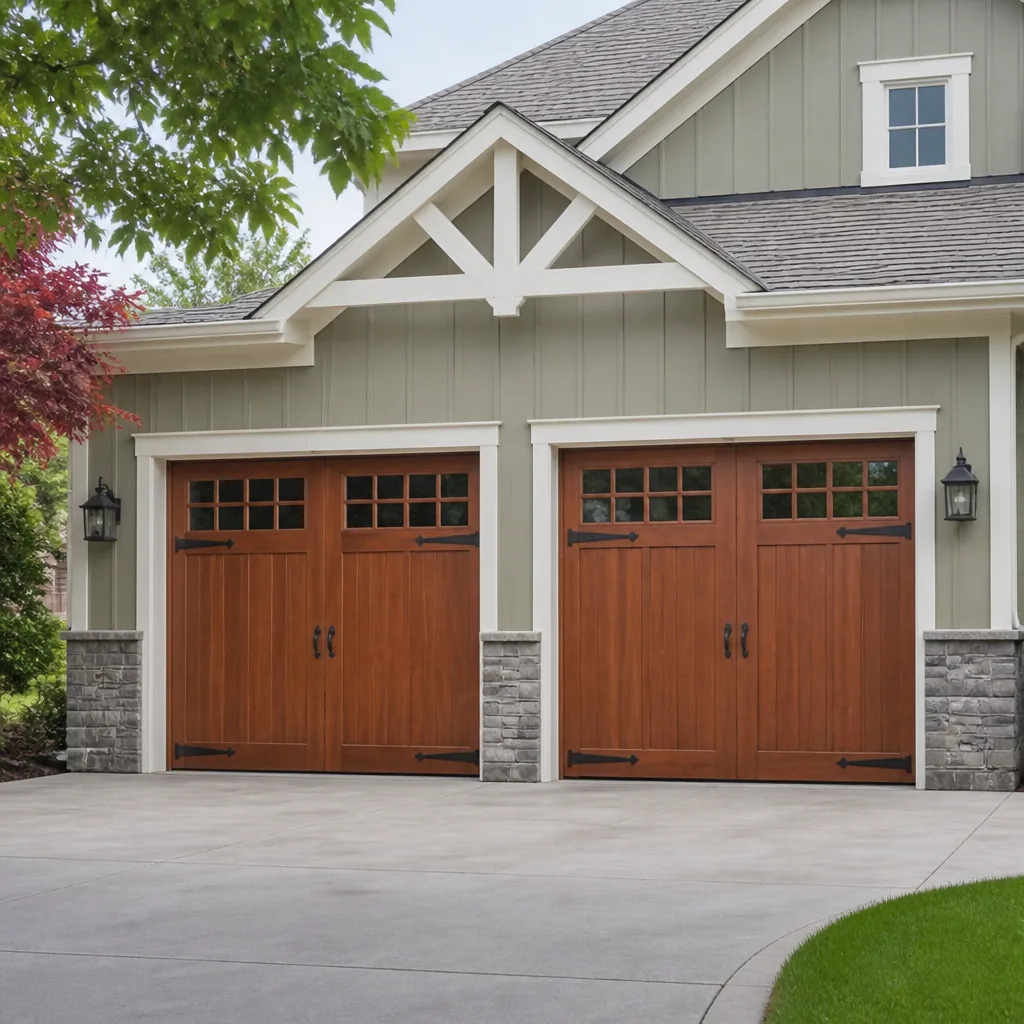 Carriage house
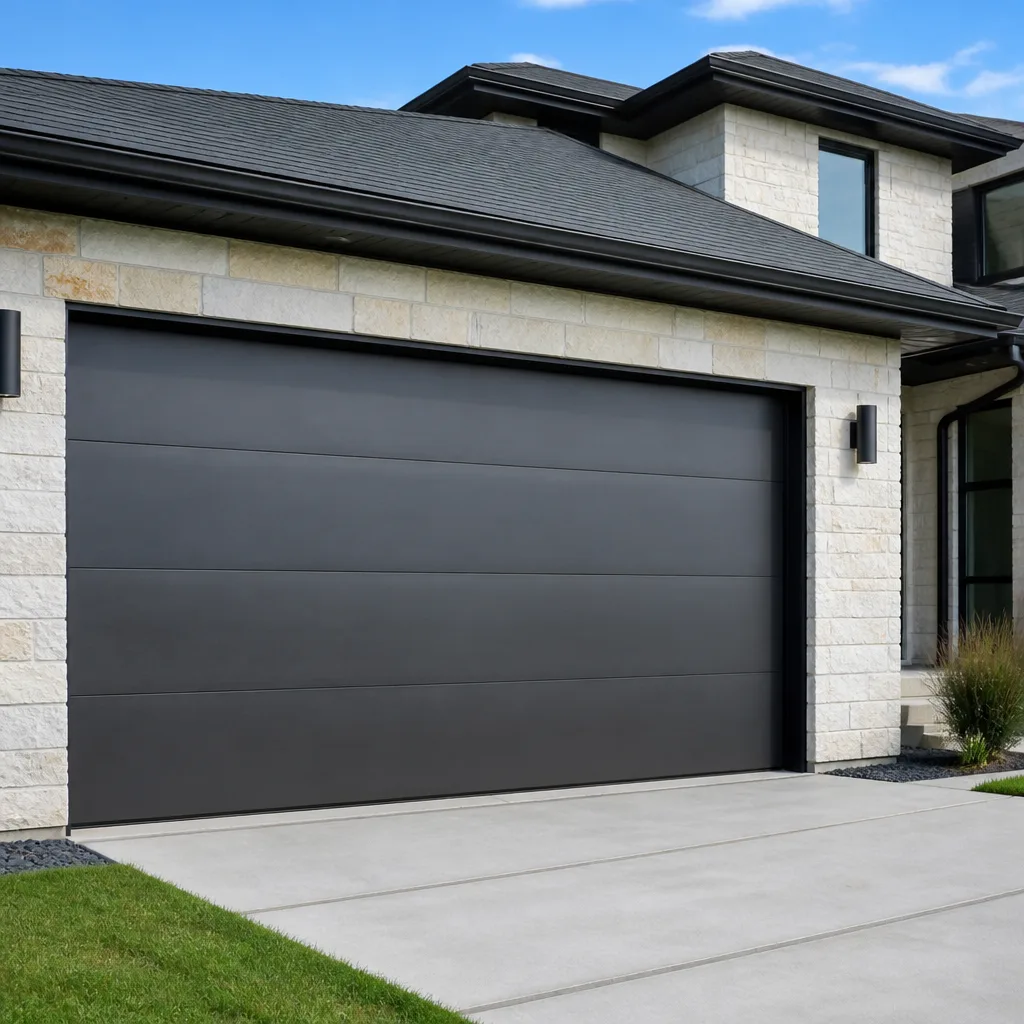 Modern flush
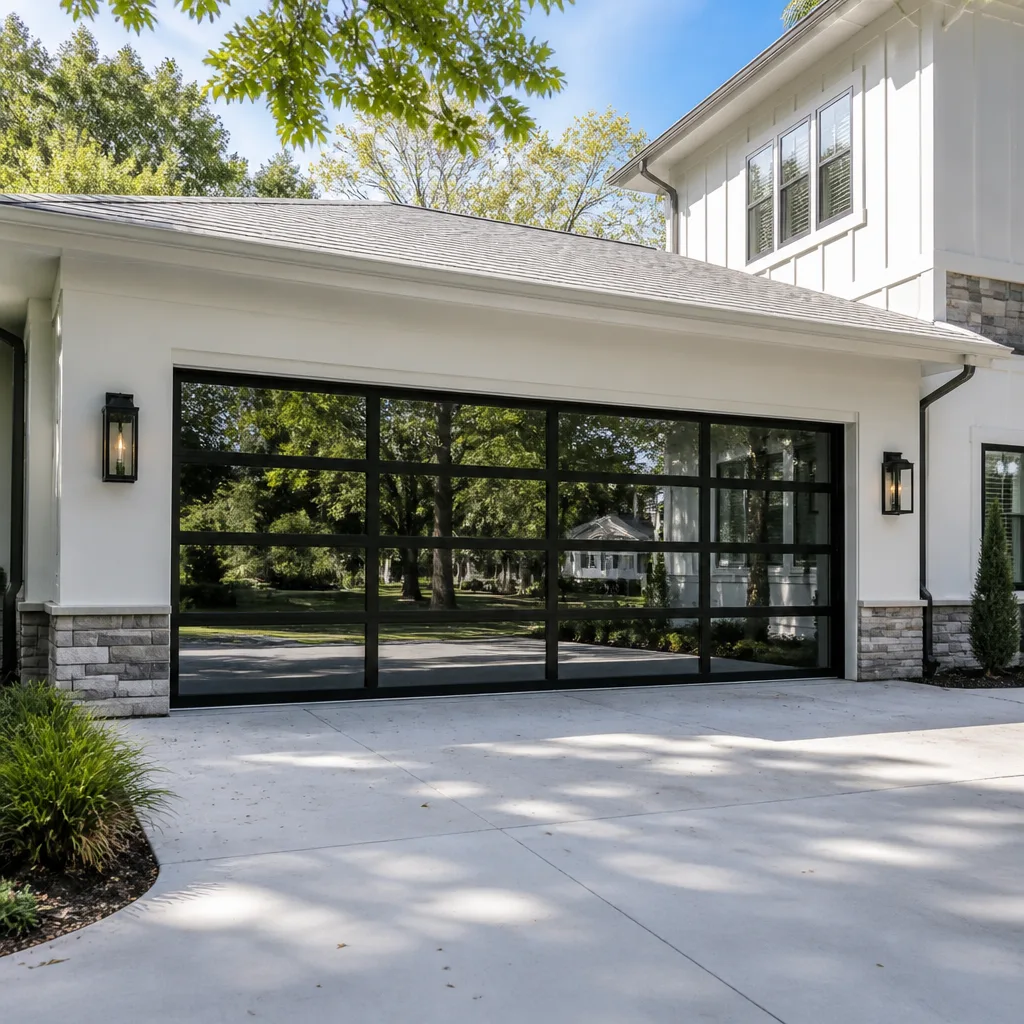 Full-view glass
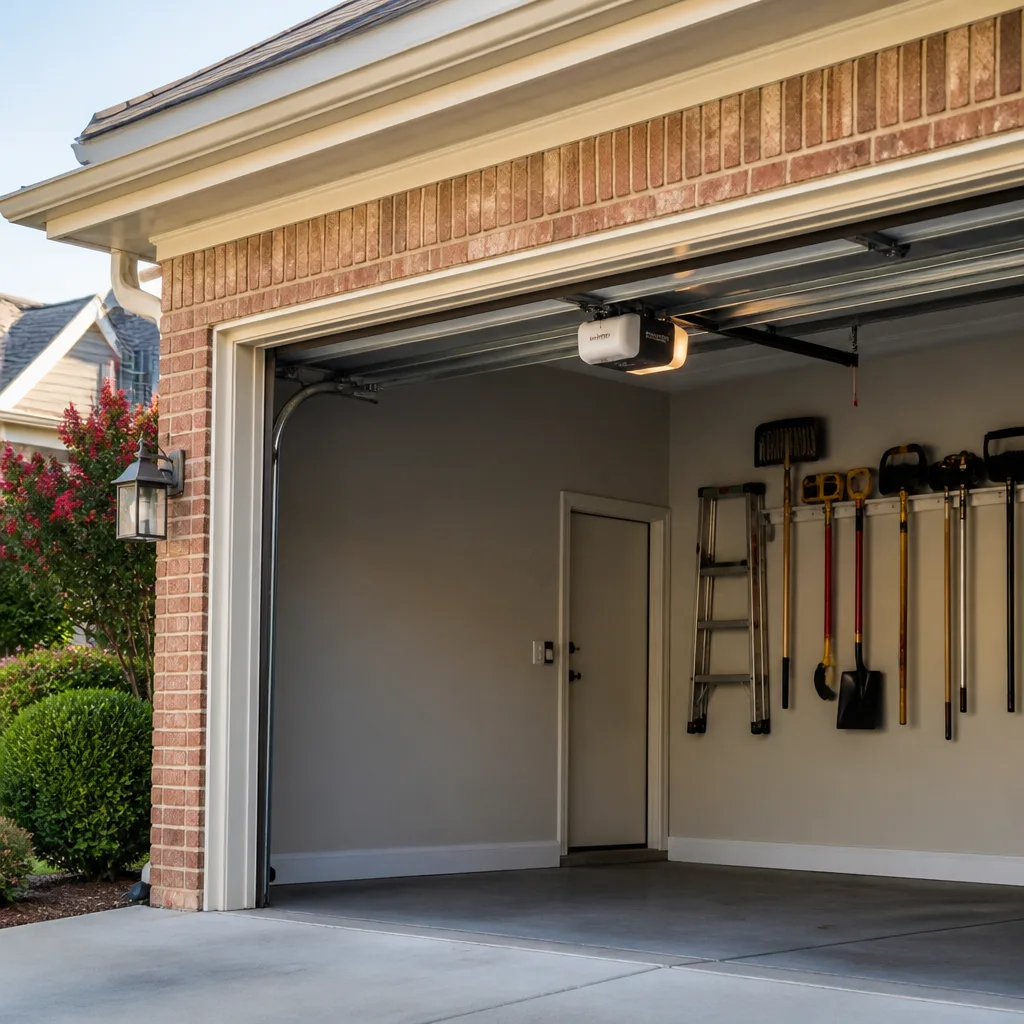 LiftMaster openers
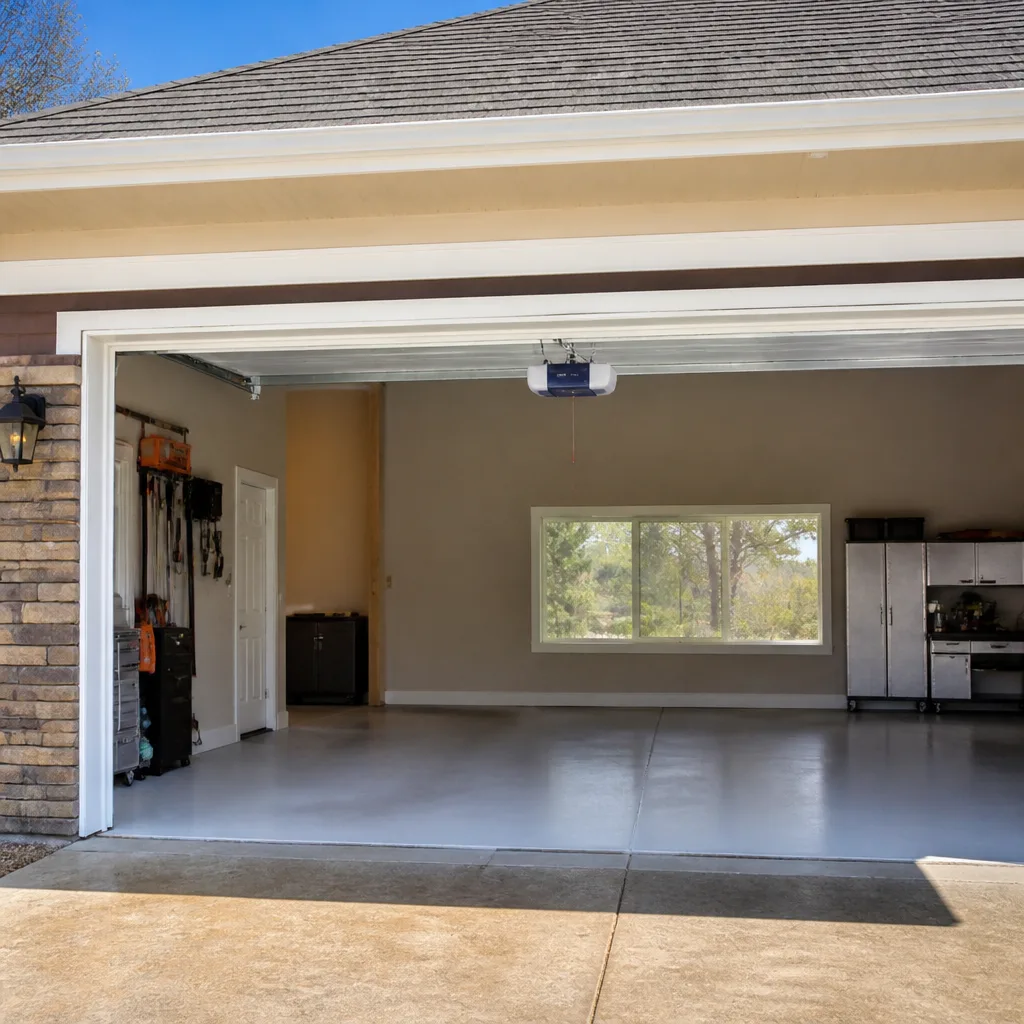 Chamberlain openers
Full 25-point door and opener safety check with every visit - springs, cables, rollers, tracks, and your LiftMaster or Chamberlain opener included
You get a price before we start. It does not change when the pro arrives.
Get your free estimateGarage Door Emergency Preparedness Guide for Inwood Homes
Most homeowners think of a garage door failure as an inconvenience. The truth is stranger and more useful: during Hurricane Ida’s remnants, several Inwood homeowners learned their garage doors were the weakest point in their flood and wind protection, and it wasn’t because the doors were old. Nobody had ever checked the bottom seal, the track anchors, or the bracing. A door that looks fine from the driveway can be a liability in a nor’easter and a trap when a spring lets go. This guide covers both scenarios: the mechanical failure that traps your car and the storm event that turns your door into a structural problem. You’ll learn manual release steps, what to do when a spring snaps at night, a pre-storm checklist, and how to document damage for your insurer.
Quick Answer
A garage door emergency plan for an Inwood home needs two parts: a safe manual release procedure so you can get your car out when the opener dies, and a spring-failure protocol so you or anyone in the household knows what not to touch when a torsion spring snaps. Add a pre-storm check of the bottom seal, track anchors, and bracing before any named storm, and keep a written record of your door’s condition. When a spring breaks or a door comes off its track, that’s a job for a trained technician, not a weekend project.
Styles & brands we work with
- Raised-panel steel
- Carriage house
- Modern flush
- Full-view glass
- LiftMaster openers
- Chamberlain openers
Table of Contents
- How do you manually release a garage door opener?
- What should you do when a garage door spring snaps at night?
- Pre-storm protocol for South Shore nor’easters
- Power outages and battery backup in Inwood
- What door conditions make your garage a liability in high wind?
- How do you document garage door damage for an insurance claim?
- Preventive checks that head off most emergencies
How do you manually release a garage door opener?
Every residential opener has a manual release cord, usually a red handle hanging from the trolley. Pull it straight down toward the floor with a firm, steady motion, then lift the door by hand. That’s the whole procedure for a standard chain or belt drive. Where people get stuck is the pull itself: a jerking motion or a sideways yank binds the trolley on the rail, and then the door won’t move by hand and won’t reconnect to the opener. Pull down, not sideways, and not at an angle.
The second mistake is forgetting to reconnect the door before restoring power. If someone hits the wall button while the door is disconnected, the trolley runs to the end of the rail and you’re looking at a repair instead of a reset. Reconnection happens by running the opener until the trolley meets the door arm and the release lever clicks back into place. Here’s the sequence by opener type.
- Chain or belt drive (most LiftMaster and Chamberlain units): pull the red release cord straight down, open the door by hand, and reconnect by running the opener until the lever snaps into the trolley.
- Screw drive (common on Genie models): the release mechanism is on the carriage. Pull the cord firmly and expect a slightly stiffer feel than a belt drive. Lift slowly.
- Jackshaft or wall-mounted openers: the release is a lever on the side of the unit, not a hanging cord. Flip it, then lift the door by hand. These units are often paired with high-lift or torsion setups, so a door that feels unusually heavy after release is a sign of spring trouble, not a sticky track.
- Smart or myQ-connected openers: the manual release is identical, but the phone app may still try to close the door. Disconnect power at the wall outlet before you work on the door so no one triggers it remotely.
One safety note: after you release a door, it should stay put when you let go at the halfway point. If it slams down or drifts, the springs or cables have lost tension and you should not keep operating it. Call a technician and keep the door closed until it’s looked at.
What should you do when a garage door spring snaps at night?
A snapped torsion spring sounds like a gunshot in the garage, and the door becomes dead weight. The safe response is simple: don’t touch the springs, don’t try to force the door open, and call for emergency service. Keep the door closed and keep children and pets away from it. Then call (877) 584-3370 and describe what happened. Emergency garage door service is built into how we work, and a broken spring is exactly the call it’s meant for.
Here’s what not to do. Don’t try to open the door with the opener. Don’t lift it by hand and prop it with a broom handle or a chair. Don’t reach for the spring winding bars you saw in a video. Torsion springs are under extreme tension even when they look relaxed, and a snapped coil can release stored force unpredictably. This is the most dangerous component in your garage door system, and we handle them so you don’t have to. Homeowners ask us whether they’ll be quoted a premium for a nighttime call, and the honest answer is that the price should still be written and agreed before work starts. Ask the technician for a written estimate before they touch anything, and confirm whether any after-hours call charge applies. That one question heads off most billing surprises.
Interim steps while you wait, all of which require zero tools:
- Leave the door closed and locked if it has a manual lock.
- If the car is inside and you genuinely need it, that door stays shut. Park on the street or arrange another way to get where you’re going. Forcing a door with a broken spring can drop it on a person or a vehicle.
- Take a photo of the broken spring, the door position, and the opener head unit. You’ll want that if the spring failure also bent a track or pulled an anchor.
- Check whether the cables are still on the drums. If a cable is loose or off, that’s additional reason to keep everyone clear of the door.
A one-spring replacement is a common job, and springs are usually replaced as a matched pair because they wear together. A pair costs roughly twice what a single spring does, which is why we quote per spring and not one number for both. Ask which option you’re being quoted.
Pre-storm protocol for South Shore nor’easters
Before any named storm reaches Inwood, walk out to the garage and check three things: the bottom seal, the track anchors, and the door’s bracing. Those are the failure points a nor’easter finds first. The seal keeps wind-driven rain and floodwater from pushing under the door. The track anchors hold the door in its frame when wind pressure hits the panels. The bracing keeps the panels from folding inward. A door that’s loose at the base and missing a strut is a liability in high wind; a well-sealed, well-anchored door is not.
Run through this checklist before the storm arrives.
- Check the bottom seal.Crouch down with a flashlight and look for gaps, tears, or a seal that’s hardened and pulled away. A seal that lets water under the door during a flood event lets it into the whole garage. If the seal is brittle or has daylight showing through, replace it before storm season.
- Test the track anchors. Look at the brackets holding the tracks to the frame. Rust streaks, loose bolts, or a track that moves when you press it are signs the anchors need tightening or replacing. Inwood garages near low-lying blocks see plenty of moisture, and moisture is what loosens hardware over time.
- Check the bracing. A single-car door in high wind benefits from a horizontal strut across the top panel if it doesn’t already have one. If your door has no strut and the panels are older or lighter gauge, ask about adding one. Clopay and Amarr doors often have factory strut kits available, which is why we ask what brand your door is before recommending anything.
- Close the door fully before the wind picks up. A door left partly open is a sail. Wind gets behind the panels and loads the tracks unevenly.
- Clear the apron. Move anything that can float or blow against the door: bins, boards, loose patio items. A bin driven into the door by floodwater can pop a panel out of its hinges.
- Photograph the door before the storm. A clean, dated photo of the closed door and the seal gives your insurer a baseline if you need to file a claim afterward.
These checks take fifteen minutes and prevent most of the storm-related damage we see.
Power outages and battery backup in Inwood
When the power goes out during a storm in Inwood, the opener is dead and the door won’t move until you use the manual release. PSEG outages in this area can run long after a big storm, which is why a battery backup is worth considering if you rely on your garage as your main entry or need your car out in a hurry. Battery backup units keep the opener running for a limited number of open and close cycles after the grid drops, so the door still works when the lights don’t. Ask whether your opener is compatible before buying one.
For most homeowners, the practical outage plan looks like this:
- Identify your release cord now, before you need it. Show everyone in the household where it is and how to pull it.
- Disconnect the opener from the door using the release, then operate the door by hand while the power is out. If the door feels heavy or drops, stop. That’s a spring issue, not a power issue.
- Consider battery backup on LiftMaster or Chamberlain openers, which are the two brands most commonly integrated with myQ smart-home systems and the ones we see most often in Inwood garages. Both brands offer backup units and app monitoring, so you can see whether the door is closed while you’re away.
- Don’t prop the door open during an outage if a storm is still passing. A partially open door invites wind and water in.
If your opener is older and the backup option isn’t available, that’s a good moment to ask about a replacement opener rather than waiting for the next outage. A dead opener repair call is one thing; a storm with no way to open the door is another. You can read more about opener options on our garage door opener repair page.
What door conditions make your garage a liability in high wind?
The conditions that matter most are a compromised bottom seal, loose track anchors, missing bracing on a lightweight door, and any existing panel damage. A door with all four intact handles a South Shore nor’easter without drama; a door with two or more of those problems is a liability. The key point is that this isn’t about the door’s age. A ten-year-old door with a torn seal and rusted anchors is worse in a storm than a well-maintained older door with a solid seal and a strut.
Here’s how to sort your door into one of two categories before the next storm.
- Low risk: seal sits flat against the floor, anchors are tight, the door has a strut or is a heavier gauge, panels are straight and undented, and the door closes evenly without gaps at the corners.
- High risk: daylight visible under the seal, rust or movement at the track brackets, no strut on a light door, a dented or bowed panel, or a door that doesn’t sit flush when closed.
If you land in the high-risk column, the fix is usually small: a new seal, tightened anchors, a strut kit, or a panel replacement. That work is far cheaper than repairing a door that folded in a storm, and it’s a good time to have the whole system checked. Our garage door repair Inwood service covers exactly this kind of pre-storm and post-storm assessment, and we work on the brand you already have.
One more thing worth knowing: storm damage to a garage door is often structural even when it looks cosmetic. A panel that’s bowed inward may have pulled a hinge or bent a track behind it. Before you decide the door is fine, have someone look at the tracks and the hinges, not just the panel face.
How do you document garage door damage for an insurance claim?
Documentation starts before the storm, not after. The photo you take of a clean, closed door before a nor’easter is the baseline your insurer needs to separate storm damage from normal wear. After the storm, photograph the same door from the same angle, plus close-ups of the seal, the tracks, the anchors, and the panels. Include something for scale and a date stamp if your camera has one. Claims get reduced or denied most often when the insurer can’t tell what was damaged versus what was already worn.
Here’s a documentation sequence that holds up when you file.
- Before the storm: photograph the closed door, the bottom seal, the track anchors, and the opener head unit. Keep the photos with the date.
- After the storm: photograph the same views. Add close-ups of any new gap, dent, bent track, or water line inside the garage.
- Keep your receipts and service records. If you replaced the seal or added a strut in the months before the storm, that record helps show the door was maintained.
- Get a written estimate from a garage door specialist that separates the damage from any pre-existing wear. Insurers want line items, not a lump sum. A written estimate with each component priced separately is far easier to process.
- Don’t discard damaged parts until the claim is settled. The adjuster may want to see the bent track or the failed seal.
- Note the date and time the damage occurred, and whether the door was closed when the storm hit.
Ask the technician to put the component-level detail in writing. A claim with clear before-and-after photos and a line-item estimate gets adjusted faster than one that simply states “door damaged.”
Preventive checks that head off most emergencies
Most garage door emergencies we get called for were visible weeks earlier. A fraying cable, a seal that’s torn, a track that’s loosened, an opener that’s straining on the way up: all of those show up in a two-minute walk-around before anyone ends up stuck. We recommend a quick monthly check and a full mechanical inspection once a year. That’s the whole maintenance program, and it works.
Do these checks once a month:
- Listen to the door. A grinding, scraping, or rattling noise on the way up is a warning. Quiet operation is normal.
- Check the bottom seal. No daylight, no tears, no hardened rubber.
- Tug the tracks by hand. They shouldn’t move or rattle.
- Look at the cables. Fraying, kinks, or a cable that’s come off the drum means stop using the door.
- Test the safety reverse. Put a board or object in the door’s path and close it. The door should reverse on contact.
Once a year, have a technician check the springs, the cables, the rollers, and the opener’s balance and force settings. This is a good time to have the whole system looked at, and if you’re also thinking about a new door, our garage door installation page covers what’s involved. The same company that checks the door can replace it if it’s reached the end of its life, so you’re not hunting for a different contractor mid-project.
Common Mistakes to Avoid
- Pulling the manual release at an angle. A sideways yank binds the trolley, and then the door won’t move by hand. Pull straight down toward the floor with a firm, steady motion.
- Running the opener with the door disconnected. If the trolley isn’t reconnected before power comes back, the motor runs to the end of the rail and you’re looking at a repair. Reconnect first, then use the opener.
- Forcing a door with a broken spring. A snapped torsion spring leaves the door dead weight. Lifting it by hand or propping it with a broom handle can bring it down on a person or a car. The door stays closed until a technician looks at it.
- Ignoring a torn bottom seal before storm season. Inwood sees nor’easters and Ida-style rain events, and the bottom seal is the first line of defense against water reaching the garage. Daylight under the door is a problem, not a cosmetic detail.
- Skipping the track anchor check. Loose anchors are invisible until wind loads the panels. A monthly tug at the tracks catches them before a storm does.
- Documenting storm damage with no baseline photos. Insurers reduce claims when they can’t tell what was damaged versus what was already worn. Photograph the door before the storm.
- Buying a battery backup without checking compatibility. Not every opener accepts one. Ask before you buy.
See the difference
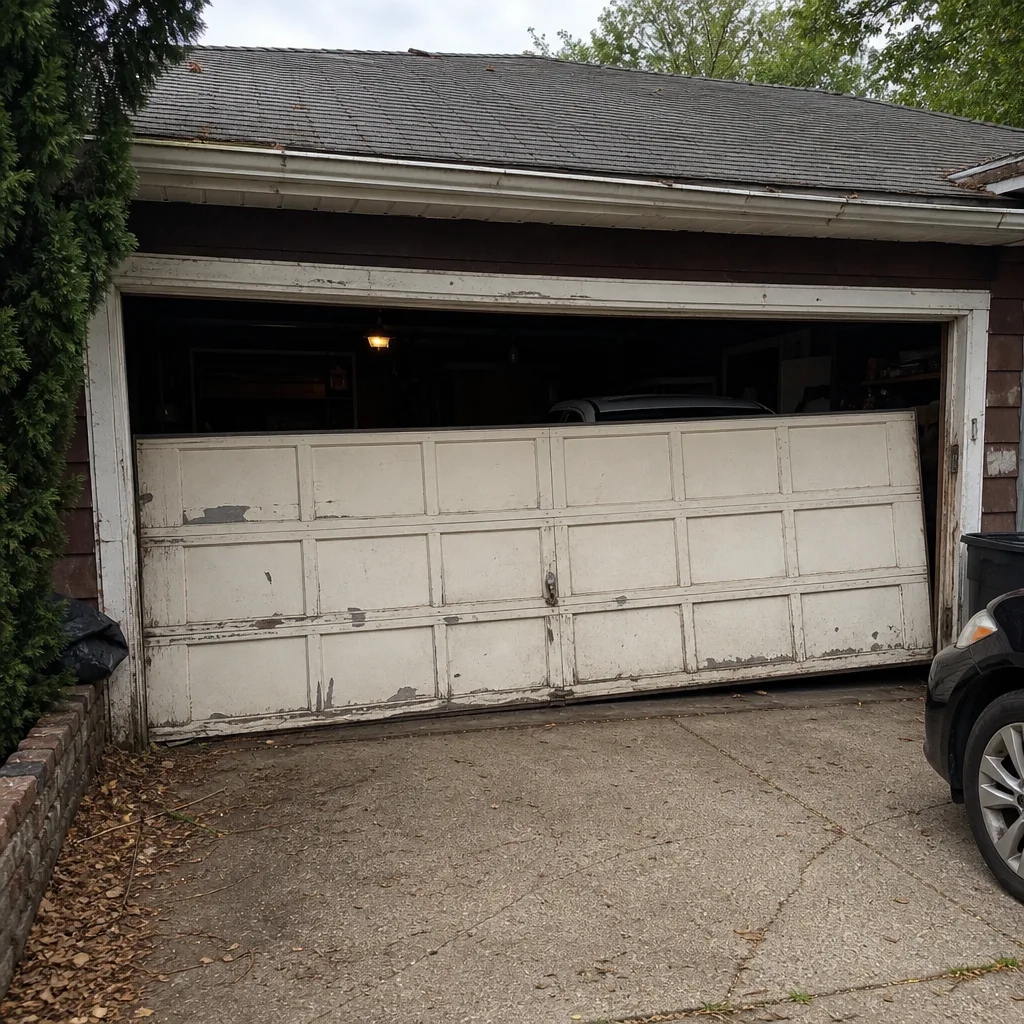 Before
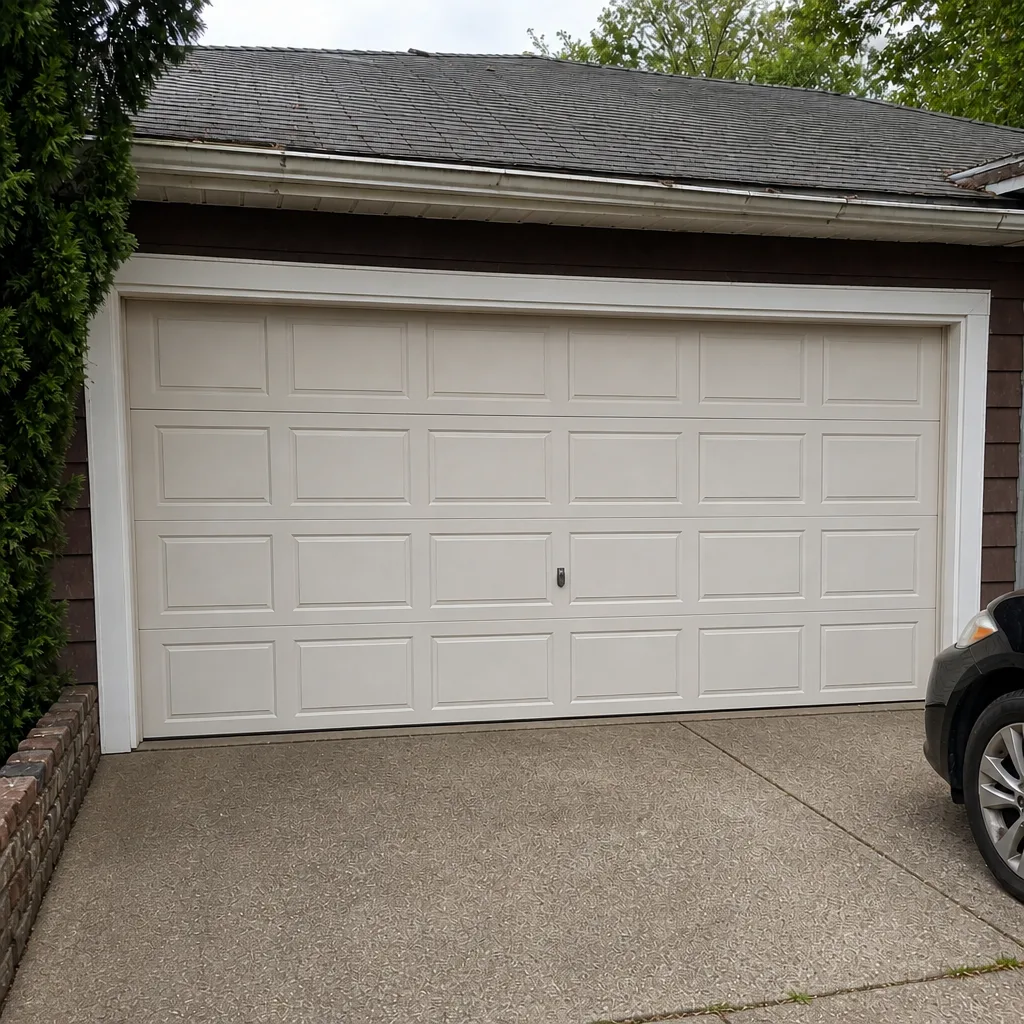 After
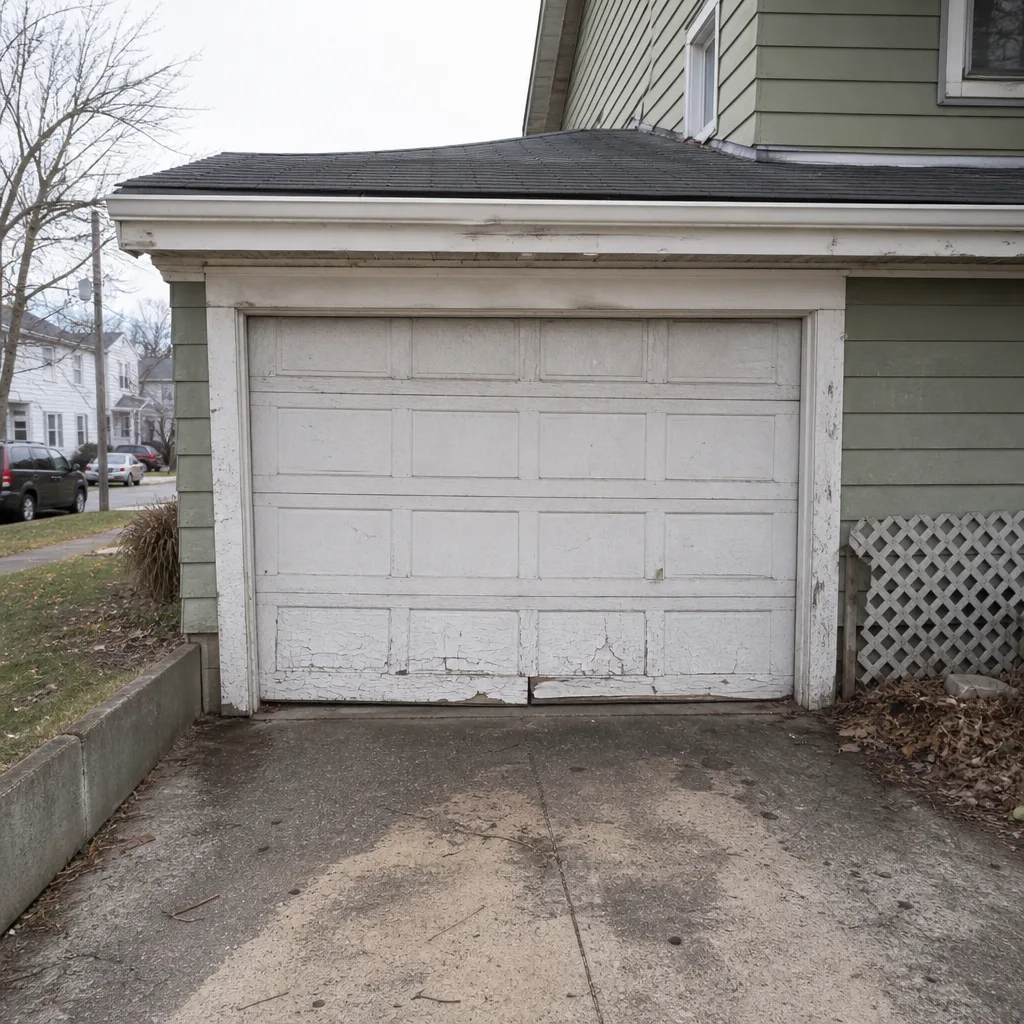 Before
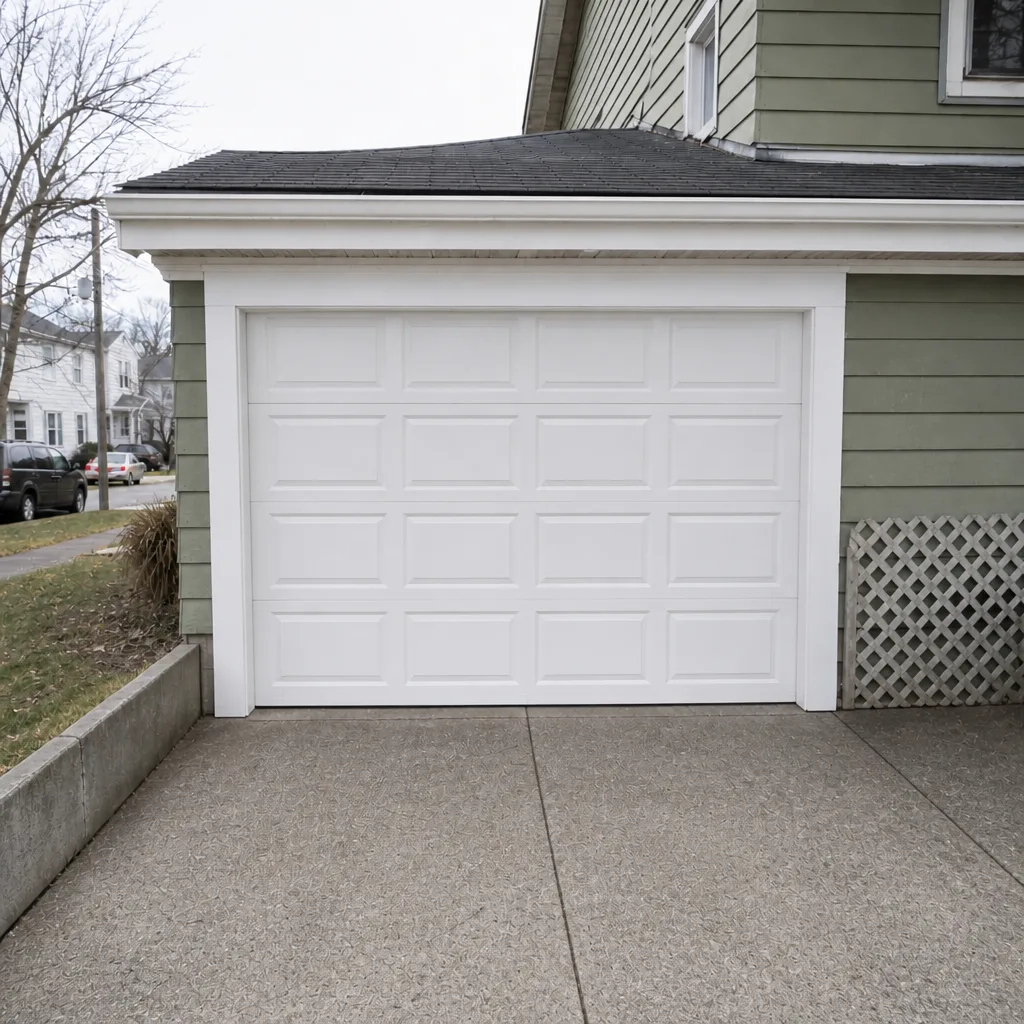 After
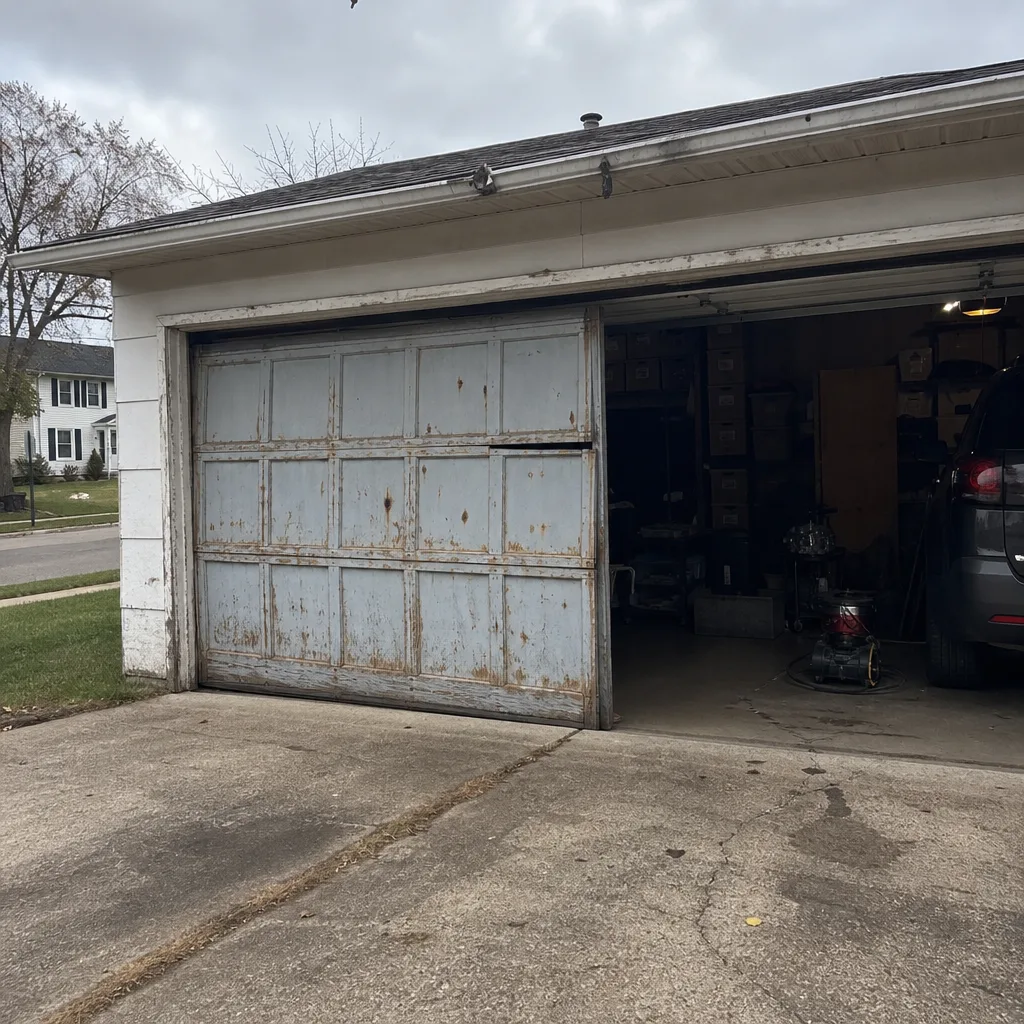 Before
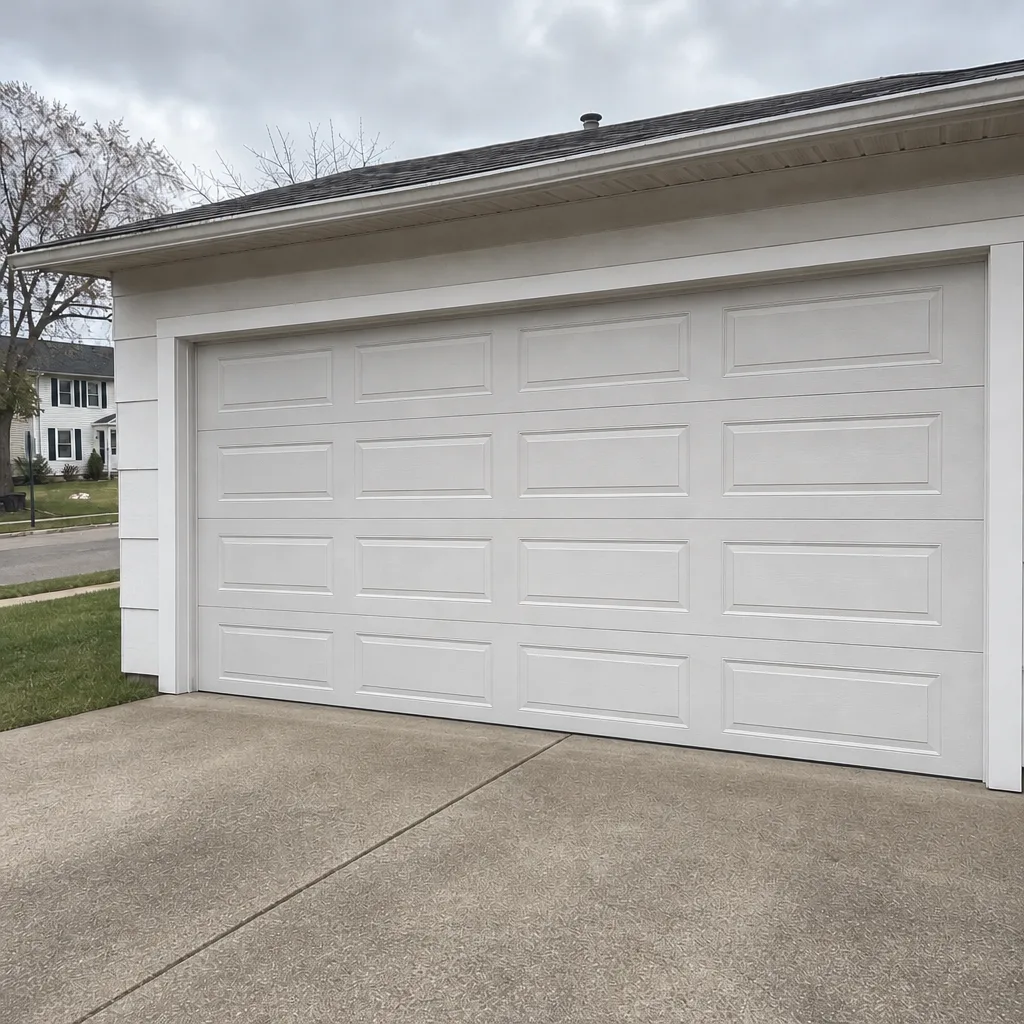 After
When to Call a Professional
Call a professional for anything involving springs, cables, or a door that’s come off its track. Those are the components that carry stored force and the ones that hurt people when handled wrong. Call us for a door that’s stuck halfway, an opener that runs but won’t lift the door, a storm-damaged panel that’s bent the track behind it, or a door you’re not sure is safe to keep using. Garage Door Repair Inwood offers free estimates in Inwood, and we handle spring repair as a dedicated service rather than farming it out. Call (877) 584-3370 and we’ll get a technician out to assess the door.
Frequently Asked Questions
A broken torsion spring typically runs from about $180 to $340 for a single spring, and a matched pair costs roughly twice that because both springs wear together. Track repairs, cable replacement, and opener repairs each have their own range depending on parts. The written estimate sets the final price, and it’s agreed before any work starts. Call (877) 584-3370 for an exact quote, since estimates are free.
Yes. Emergency garage door service is a core part of what we do, and a stuck door is exactly the call it’s built for. Call (877) 584-3370 and we’ll work to get a technician out to you.
No, the price is quoted and agreed before any work starts. We check the door, explain what’s wrong, and give you a written estimate you approve first. If the diagnosis changes once the door is apart, we stop and talk to you before doing anything else.
Yes, the technicians we connect you with are licensed and insured as the state requires. Our technicians have up to 12 years of experience and are trained on major brands including LiftMaster, Chamberlain, Genie, and Clopay.
Use the manual release cord. Pull it straight down toward the floor, then lift the door by hand. If the door feels heavy or drops, stop and call us, because that points to a spring problem rather than a power problem. Longer PSEG outages in this area are the reason a battery backup is worth considering on compatible LiftMaster or Chamberlain openers.
Almost certainly. We’re trained on eight major brands including LiftMaster, Chamberlain, Genie, Clopay, Amarr, Wayne Dalton, Craftsman, and Raynor, so we work on the brand you already have. If your door or opener is outside that group, call (877) 584-3370 and we’ll confirm before we book.
The Bottom Line
A garage door emergency plan for an Inwood home comes down to a few habits: know where the manual release cord is and how to pull it straight down, keep the door closed and call a technician when a spring snaps, and check the bottom seal, track anchors, and bracing before any named storm. Photograph the door before the storm so your insurer has a baseline, and consider battery backup if you’ve weathered PSEG outages before. Most emergencies were visible weeks earlier during a two-minute walk-around. When something does break, call a specialist rather than forcing the door yourself.
If your garage door is stuck, making noise, or showing storm damage, call Garage Door Repair Inwood at (877) 584-3370 for a free estimate. From the opener to the panel to the spring, one call covers it all, and you’ll get a price in writing before any work starts.
Written by the team at Garage Door Repair Inwood.