Last updated November 21, 2026
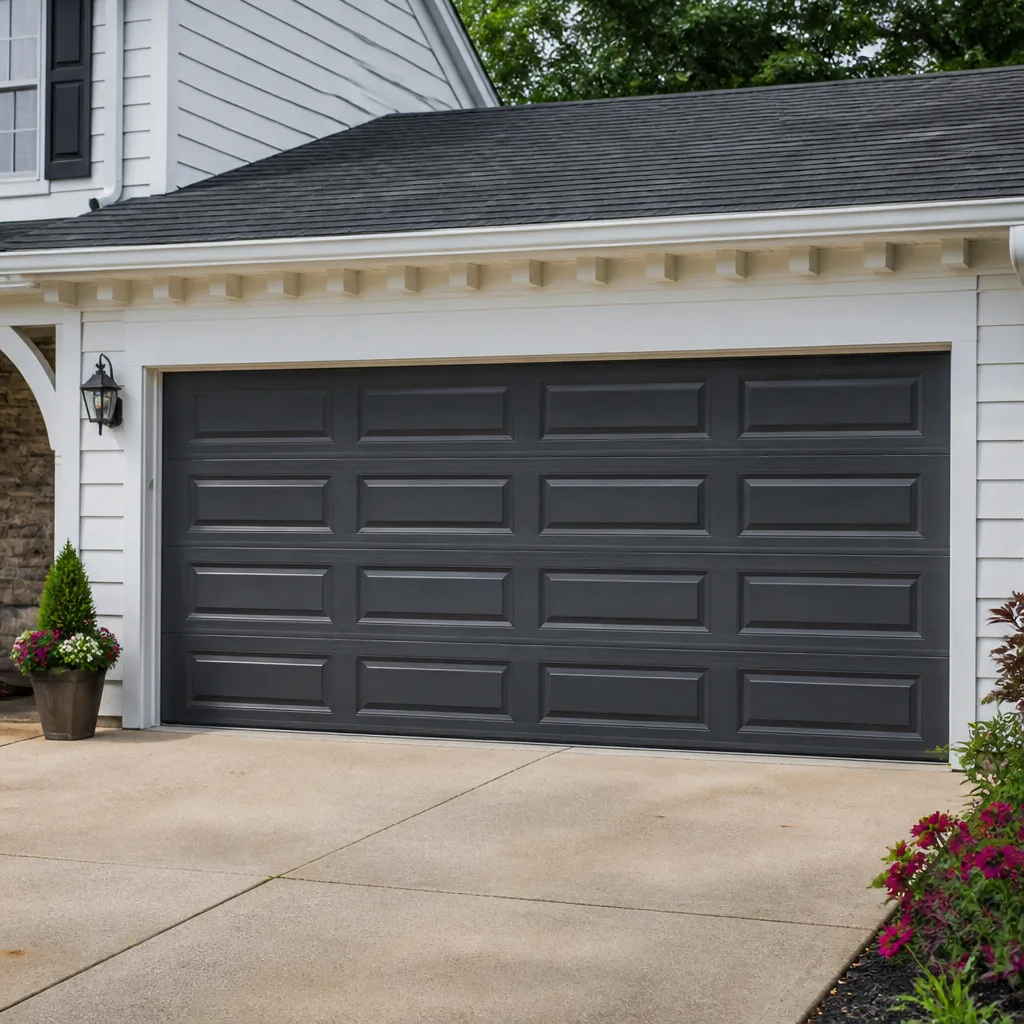 Raised-panel steel
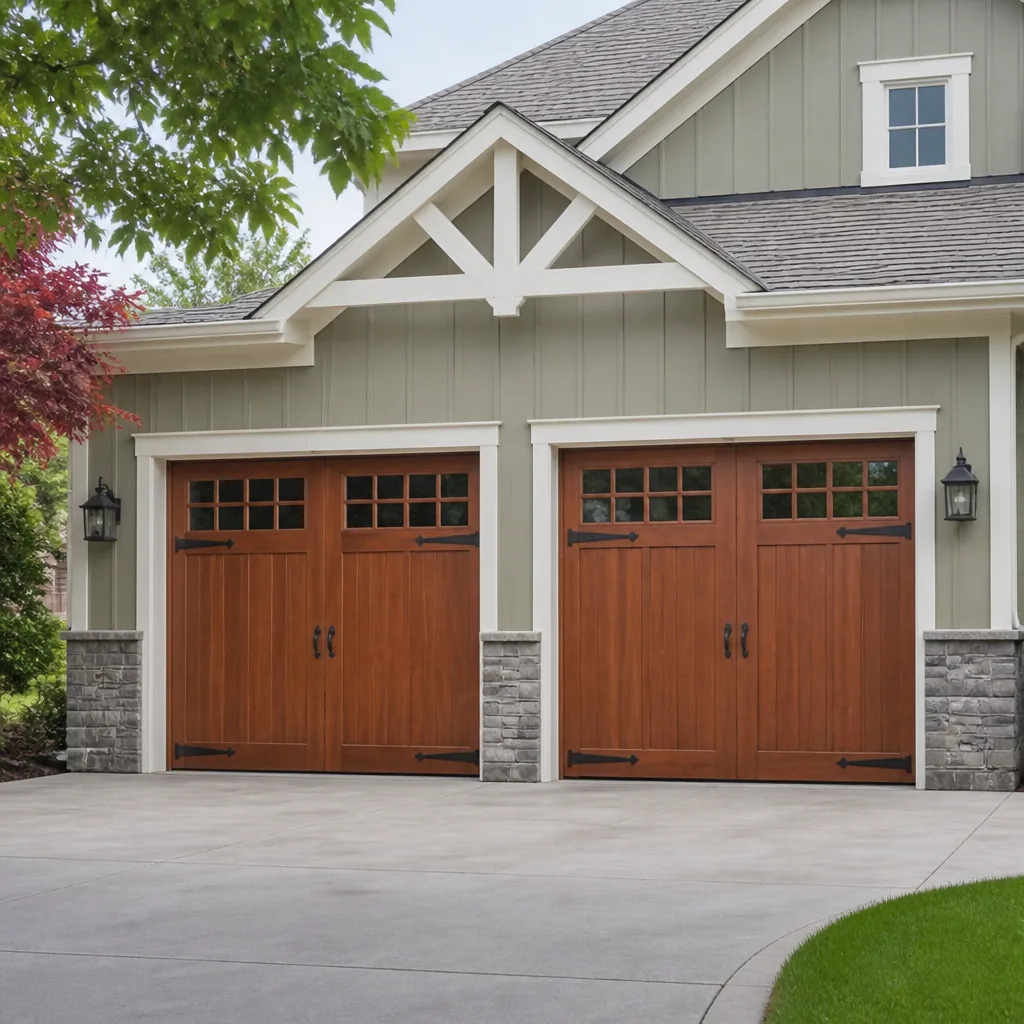 Carriage house
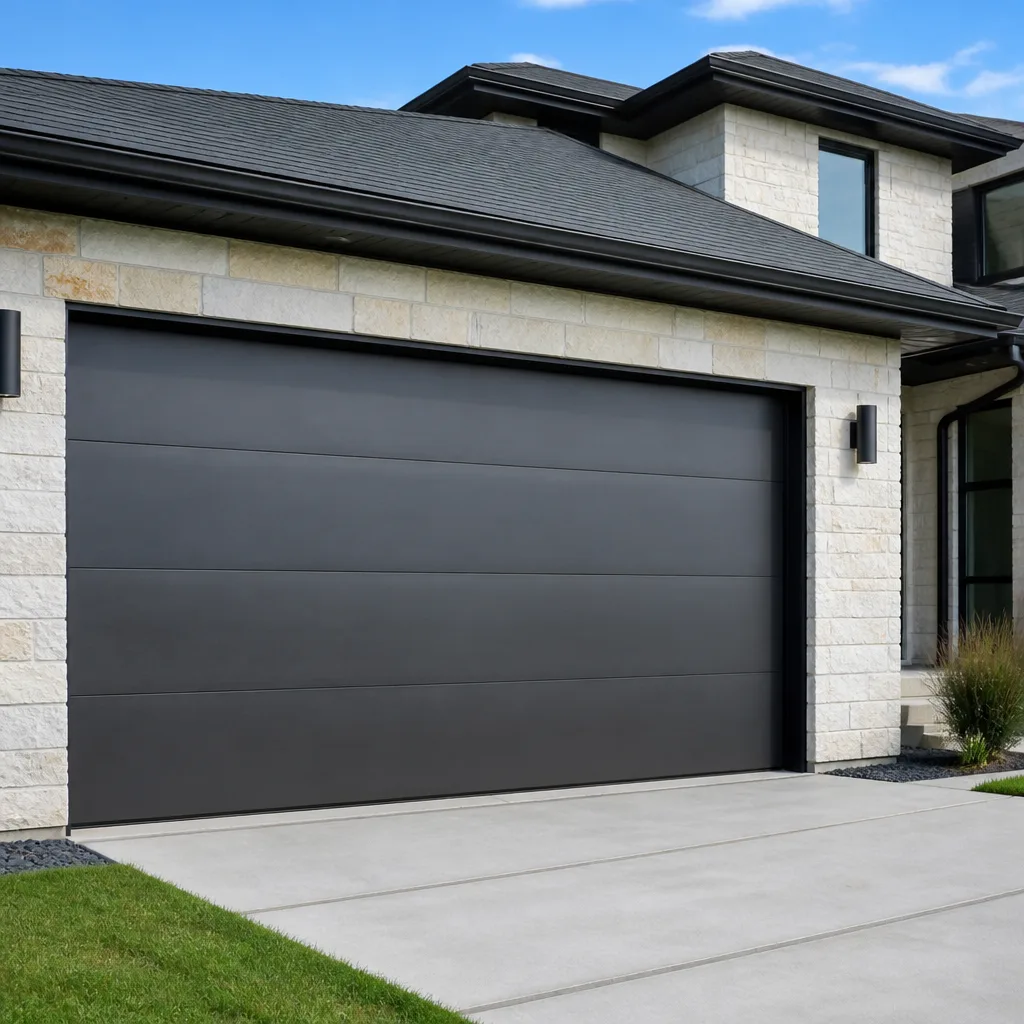 Modern flush
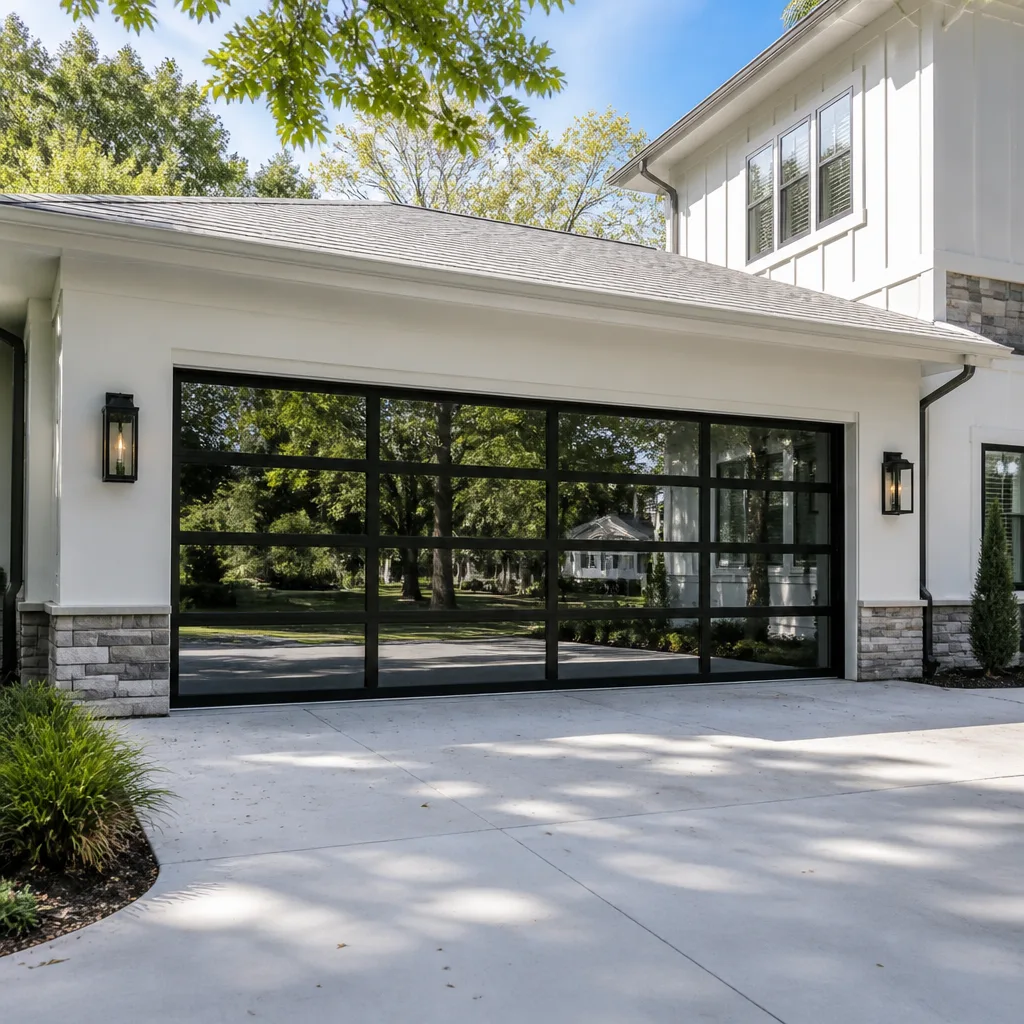 Full-view glass
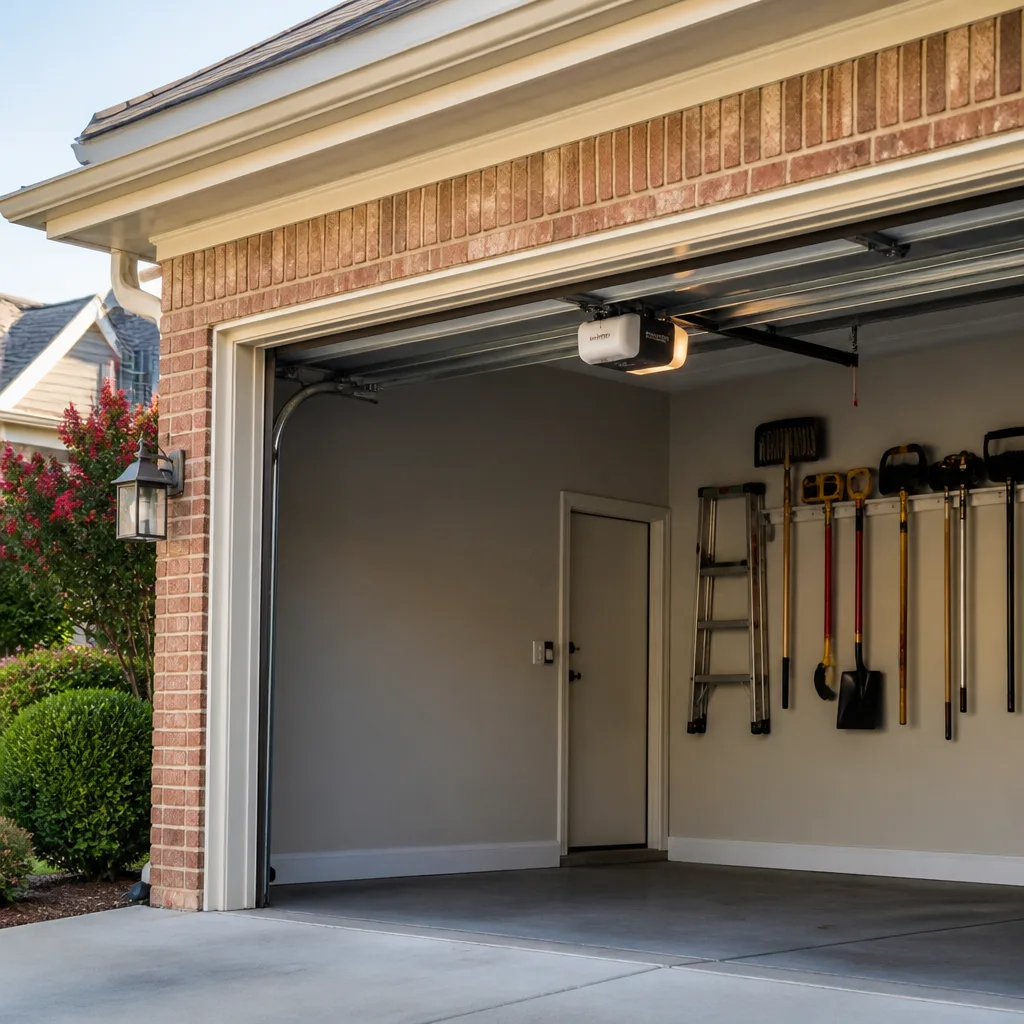 LiftMaster openers
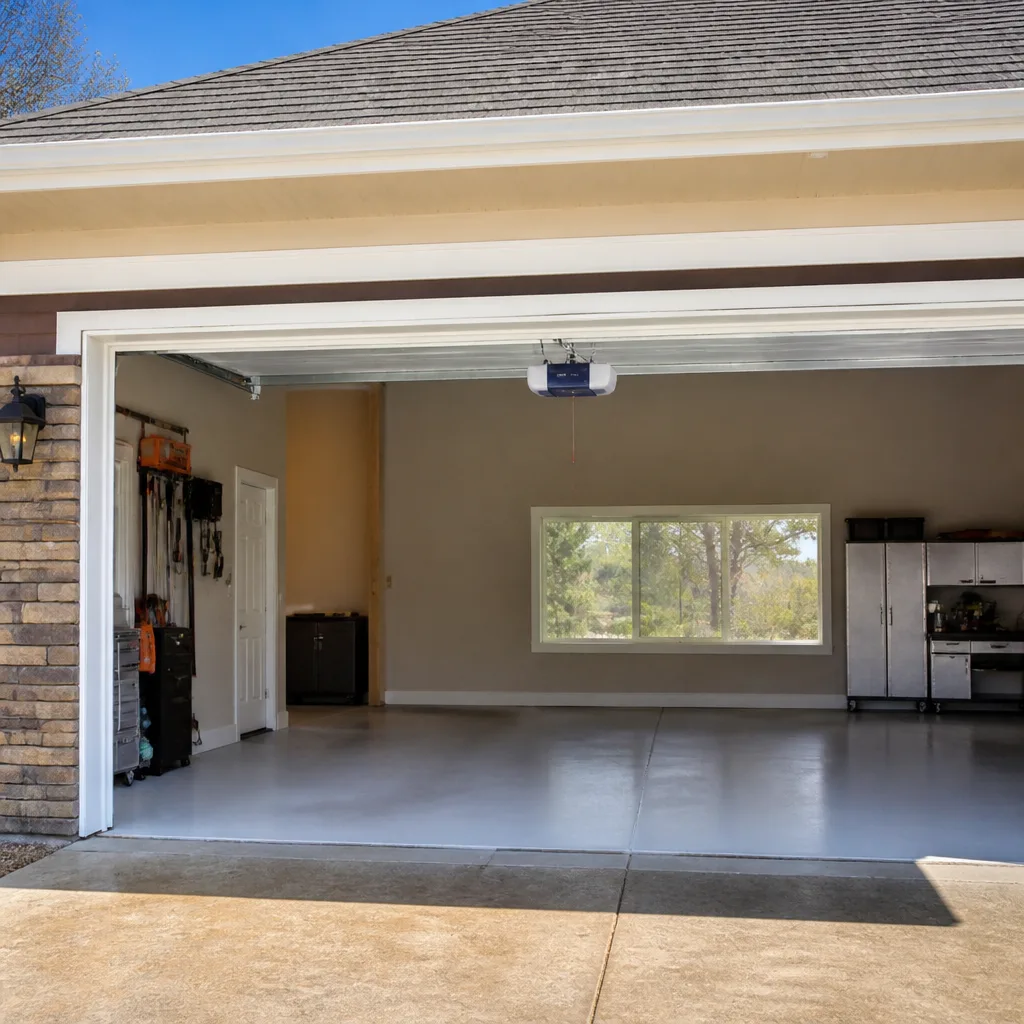 Chamberlain openers
Full 25-point door and opener safety check with every visit - springs, cables, rollers, tracks, and your LiftMaster or Chamberlain opener included
You get a price before we start. It does not change when the pro arrives.
Get your free estimateThe Complete Guide to Garage Doors in Inwood
Most garage door guides are written for a suburb in Ohio. Flat lots, deep setbacks, one climate, one housing type. Inwood isn’t that. Here, a garage door has to survive humid summers that swell wood panels, a housing stock where the garage was often added years after the house, and driveways laid out for cars that were narrower than the ones parked on them now. The advice that works in a new-build subdivision can be flat wrong here. This guide covers the parts of a door as one connected system, explains which materials actually hold up in Inwood’s air, and tells you honestly when a repair buys you years and when replacement is the right call.
Quick Answer
A garage door in Inwood should be inspected once a year, serviced the moment a spring or cable fails, and replaced when the panels, tracks, or structure are too far gone to repair safely. The single biggest local factor is humidity and airborne salt near the water, which speeds up corrosion on springs, hinges, and steel panels faster than inland Nassau County sees. Most doors here last 15 to 25 years with maintenance, but the hardware inside them usually needs attention well before the door itself does.
Styles & brands we work with
- Raised-panel steel
- Carriage house
- Modern flush
- Full-view glass
- LiftMaster openers
- Chamberlain openers
Table of Contents
- Your Door Is a System, Not a Bunch of Parts
- How Inwood’s Climate Ages a Garage Door
- Which Door Materials Hold Up in Inwood
- Clearance and Headroom in Older Inwood Garages
- Springs: The Part That Fails First and Matters Most
- Openers: Brand, Age, and What’s Worth Repairing
- Repair or Replace? An Honest Decision Framework
- A Yearly Maintenance Routine That Actually Helps
Your Door Is a System, Not a Bunch of Parts
Homeowners tend to think of a garage door as a single object with a single problem. In practice it’s a mechanical system with six interdependent parts, and a failure in one puts strain on all the others. When a spring weakens, the opener works harder. When the opener works harder, the gear and the logic board wear faster. When one cable goes slack, the door racks slightly in the tracks, and the rollers and hinges take a beating. A door that “just needs a new opener” often has a tired spring behind it, and swapping the opener alone will burn out the new unit.
The parts that matter:
- Springs – torsion (mounted on a shaft above the door) or extension (running along the horizontal tracks). They carry the door’s weight so you and the opener don’t have to.
- Cables – steel lines that connect the bottom corner of the door to the spring system. High tension, high risk if they fail.
- Tracks and rollers – guide the door up and down. Bent tracks or flat-spotted rollers make the door drag and jump.
- Hinges and panels – the door body. Hinges wear at the pivot points; panels carry the structural load.
- The opener – the motor and rail. It lifts a door the springs have already mostly balanced.
- Safety systems – the photo-eye sensors and, on newer openers, the entrapment protection that reverses the door.
This matters in Inwood because the housing stock varies so much within a few blocks. A door on a prewar detached garage and a door on a 1990s attached garage might look similar from the street but have completely different spring types, headroom, and opener wiring. When we look at a door here, the first thing we do is figure out which system we’re actually dealing with before quoting anything. A thorough diagnostic now is what keeps you from paying twice later. From the opener to the panel to the spring, one call covers it all.
How Inwood’s Climate Ages a Garage Door
Inwood sits close enough to the water that the air carries fine salt and stays humid through the summer. That combination is hard on metal. Springs, which are under constant tension and made of high-carbon steel, are the first thing to show it. Surface rust starts as a light film, then pits the wire, and a pitted spring loses strength unevenly. We see springs here fail earlier than the same springs on a door inland, and the failure tends to be sudden rather than gradual, which is part of why a snapped spring is one of the most common emergency calls in Inwood.
Steel panels react too, though more slowly. The bottom section of the door, closest to the ground and to splash from the driveway, is where oxidation usually begins. Paint that looks fine from six feet away can be hiding bubbling along the bottom rail. Wood doors are a different story: humidity swells the panels, dries them out again in winter, and the repeated cycle opens seams and cracks the paint. A wood door in Inwood needs repainting on a shorter cycle than the label recommends.
What this means in practice:
- Expect springs to need replacement on a shorter interval than a national guide suggests, and inspect them for rust at least once a year.
- Check the bottom panel for bubbling paint or rust film after every humid season.
- Keep the bottom seal and weatherstripping in good shape so ground moisture doesn’t wick up into the door.
- If your door is wood, plan to touch up the finish more often than you would inland.
None of this means an Inwood door is doomed. It means the maintenance schedule here is a little tighter than the general advice, and catching rust early is worth more than catching it late.
Which Door Materials Hold Up in Inwood
The material question comes up constantly, and the honest answer is that no material is maintenance-free near the water, but some ask far less of you than others. Here’s how the common options behave in Inwood’s air.
- Steel – the most common choice, and a good one if you stay on top of the finish. A factory-applied finish holds up well; bare or repainted steel needs attention at the bottom panel. Steel doors from Clopay, Amarr, Wayne Dalton, and Raynor are the ones we work on most often.
- Aluminum – lighter and naturally rust-resistant, which sounds ideal near the water. The catch is strength: aluminum dents more easily and can be a better fit for a low-traffic garage than a busy one.
- Wood – beautiful and the most demanding in this climate. Humidity cycling means it needs a disciplined repaint schedule and attention to any seam that opens. Wood doors are more often a restoration decision than a new-install decision here.
- Composite and vinyl – low maintenance and resistant to moisture, but the range of styles is narrower and the structure can flex. Worth considering for a door that isn’t heavily used.
The practical takeaway for Inwood: a well-finished steel door with a galvanized or coated bottom section is the workhorse choice, and aluminum or a premium composite is worth considering if you want less upkeep and don’t mind the trade-offs. If you’re weighing a new door, garage door installation covers how the material choice ties into the size, weight, and track setup of your specific opening. The right door for your garage depends on what’s already there, not just what looks good in a catalog.
Clearance and Headroom in Older Inwood Garages
Here’s a local reality that national guides skip: Inwood has a lot of garages that weren’t built to modern dimensions. Some were added to homes decades after the house went up. Some were built for cars that were shorter and lower than what’s parked in them now. That shows up in three measurements that decide which door and opener you can actually use.
Headroom is the space above the door’s highest point and the ceiling. A standard torsion setup needs about 12 inches of headroom; a low-clearance situation may need a different spring placement or a low-headroom opener. In an older garage with a shallow ceiling, this is the first number that rules options in or out.
Backroom is the distance from the door to the back wall, which sets how far the door travels back on the tracks. Short backroom means a low-profile opener or a side-mounted unit.
Sideroom is the horizontal space beside the door for the tracks and torsion hardware. Tight lot lines in Inwood sometimes mean a narrow garage, and a door that’s a hair too wide won’t clear the jambs.
What we do before recommending anything:
- Measure headroom, backroom, and sideroom.
- Confirm the door’s weight, because spring selection depends on it.
- Check whether the existing opener’s rail and mounting will work with a replacement door of a different thickness.
- Look at how the door and tracks are attached, since an older frame may need reinforcing for a heavier door.
These numbers take a few minutes to collect and save you from ordering a door that won’t fit. If you’re replacing a door in an older Inwood garage, get the measurements done before you shop, not after.
Springs: The Part That Fails First and Matters Most
Springs are the most dangerous component in your garage door system, and they’re the part that fails most often. We handle them so you don’t have to. A torsion spring stores enormous energy, and when it breaks it releases that energy instantly. This is not a job for a homeowner with a ladder and a YouTube video, and it’s not a job many general handymen will take on either. It’s a dedicated, safety-critical repair, and it’s one we treat as its own service rather than an add-on.
How a spring failure usually announces itself:
- A loud bang from the garage, often described as sounding like a gunshot.
- A door that won’t lift, or lifts a few inches and stops.
- The opener running but the door not moving, or the motor straining.
- A visible gap in the coil of a torsion spring, or an extension spring stretched out of shape.
If you hear the bang and the door won’t open, stop. Don’t keep cycling the opener, because it will strain the motor and can damage the door. Don’t try to lift the door by hand, and don’t attempt to unwind or remove the spring. Call a trained technician and treat the door as off-limits until it’s repaired.
One pricing note that causes real confusion: a spring price is for one spring, not the pair. Most torsion setups use two springs on a single shaft, and they’re usually replaced together because a new spring paired with an old one wears unevenly. So a pair costs about twice the single-spring figure. When you get an estimate, confirm whether it’s quoted for one spring or the matched pair. If you have a broken spring and need a hand fast, that’s exactly what garage door repair is for. Springs are the most common same-day job we run in Inwood, and we’d rather fix it right than have you watching a door you can’t open.
Openers: Brand, Age, and What’s Worth Repairing
The opener is the part homeowners notice first, because it’s what makes noise and what fails to respond when a remote doesn’t work. But an opener is usually the last thing to fail in a properly maintained system. When a door “won’t open,” the opener is often fine and the spring or a safety sensor is the real culprit. Knowing the difference saves you from replacing a good motor.
A few things we check before recommending any opener work:
- The safety sensors. Misaligned or dirty photo-eyes are the single most common “my opener stopped working” cause. A small LED on each sensor tells you whether they’re seeing each other.
- The spring balance. Disconnect the opener and lift the door by hand. If it’s very heavy, the opener is fighting a tired spring, and the spring is the fix, not the motor.
- The wall control and remotes. A dead wall button or a remote that needs reprogramming isn’t a motor failure.
- The logic board or gear. On older units, a worn gear or a failed board can be worth replacing if the rest of the opener is sound.
- Smart-home integration. If your opener talks to an app, a connectivity problem is often a router or bridge issue, not a door issue.
We work on the brand you already have. LiftMaster and Chamberlain are the two we see most often, because they’re the brands most tied into app and smart-home setups, and we’re comfortable with both legacy units and the newer connected models. Genie and Raynor openers are common in Inwood too. Our technicians have up to 12 years of experience across these systems, so the brand on your ceiling isn’t a reason to replace it. If the opener is the problem, garage door opener repair walks through how we diagnose it before recommending a swap. A repair is almost always cheaper than a replacement when the unit has life left in it.
Repair or Replace? An Honest Decision Framework
This is the question that decides the real cost of a garage door, and the honest answer depends on the whole system, not one part. A door can be old and still worth repair, or young and worth replacing, depending on the structure underneath. Here’s how we think about it.
Repair usually makes sense when:
- The springs, cables, or opener have failed but the panels and tracks are sound.
- The door is balanced after a repair and runs smoothly by hand.
- The rust is surface-level and the finish can be recoated.
- The opener is a brand we service and the logic board or gear is the only fault.
Replacement is the honest call when:
- Panels are cracked, delaminated, or rusted through at the bottom section.
- The tracks are bent or the door racks in the opening and can’t be straightened.
- The door’s structure has warped from moisture cycling, which happens to wood doors here over time.
- Repairs would cost more than a meaningful fraction of a new door, and the door is on borrowed time anyway.
- The door no longer meets current safety expectations for an attached garage, and the frame needs reworking regardless.
The worst outcome is patching a door that needs replacing, then paying for the same repairs again a year later. The second worst is replacing a door that had years left. A proper inspection answers the question without guesswork, and it’s the reason we don’t quote a replacement over the phone. If you installed a door and it’s now failing, we can fix it; if it’s past saving, we’ll say so plainly.
A Yearly Maintenance Routine That Actually Helps
Most garage door maintenance advice is too vague to follow. This is the short list that actually makes a difference in Inwood’s climate, and it takes an afternoon once a year.
- Inspect the springs for rust. Look at the coils for a film or pitting. Surface rust on a torsion spring is a sign to schedule a check before it fails.
- Check the bottom panel and bottom seal. Look for bubbling paint, rust film, or a seal that’s cracked or pulled away from the floor.
- Lubricate the moving parts. Rollers, hinges, and the spring coils take a garage-door lubricant, not WD-40, which attracts grit. Do this once a year.
- Balance test the door. Disconnect the opener, lift the door halfway, and let go. A balanced door stays put. If it drops or rises, the springs need attention.
- Check the tracks and rollers. Look for dents in the tracks and flat spots on the rollers. A door that jumps or drags is telling you something.
- Test the safety reverse. Put a small object in the door’s path and confirm it reverses. This is the one check you shouldn’t skip.
- Check the weatherstripping and the frame. Gaps let humid air and water in, which is exactly what accelerates rust here.
What you should not do yourself: adjust or remove springs or cables. Those are the parts that hurt people. Everything on this list is safe to check; the spring and cable work is where a trained technician takes over.
Common Mistakes to Avoid
- Replacing the opener when the spring is the problem. A straining opener is often a symptom of a tired spring. Swapping the motor without fixing the spring just burns out the new unit.
- Ignoring rust on the springs until they snap. In Inwood’s humid, salt-carrying air, a little rust on the coil is an early warning. Catch it and you replace springs on your schedule, not in an emergency.
- Ordering a door before measuring the garage. Headroom, backroom, and sideroom decide what fits. Older Inwood garages are often tighter than the door catalogs assume, and a door that’s a fraction too wide won’t clear the jambs.
- Trying to lift or unwind a broken spring yourself. This is the most common serious-injury mistake in the trade. A failed spring holds stored energy and needs a trained technician, full stop.
- Assuming a national guide applies here. Advice written for a dry, flat-lot suburb won’t account for Inwood’s humidity, salt air, or the age of the housing stock. Local conditions change the maintenance schedule.
- Skipping the annual balance test. It’s the quickest way to catch a failing spring before it strands your car, and it takes about two minutes.
- Letting a bent track go. A small dent in the track will wear the rollers and rack the door over time, turning a cheap fix into an expensive one.
See the difference
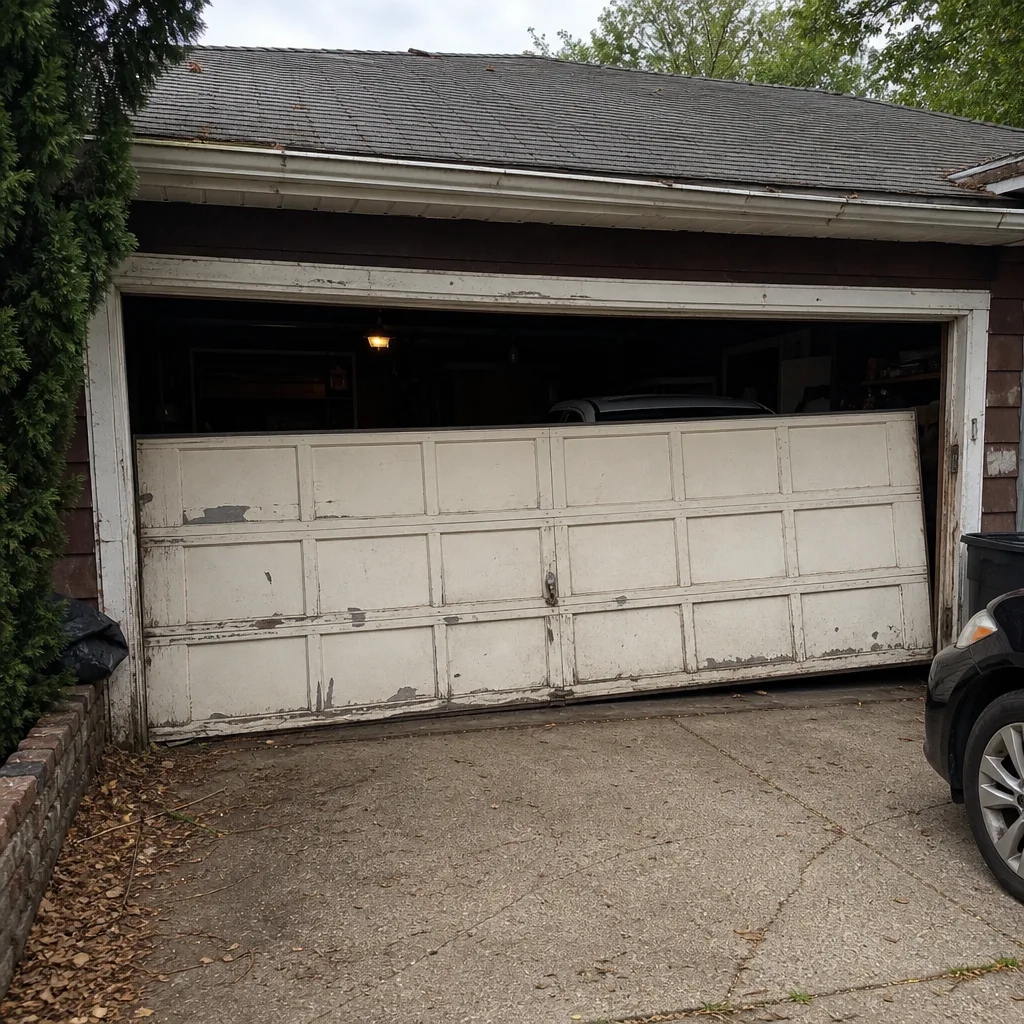 Before
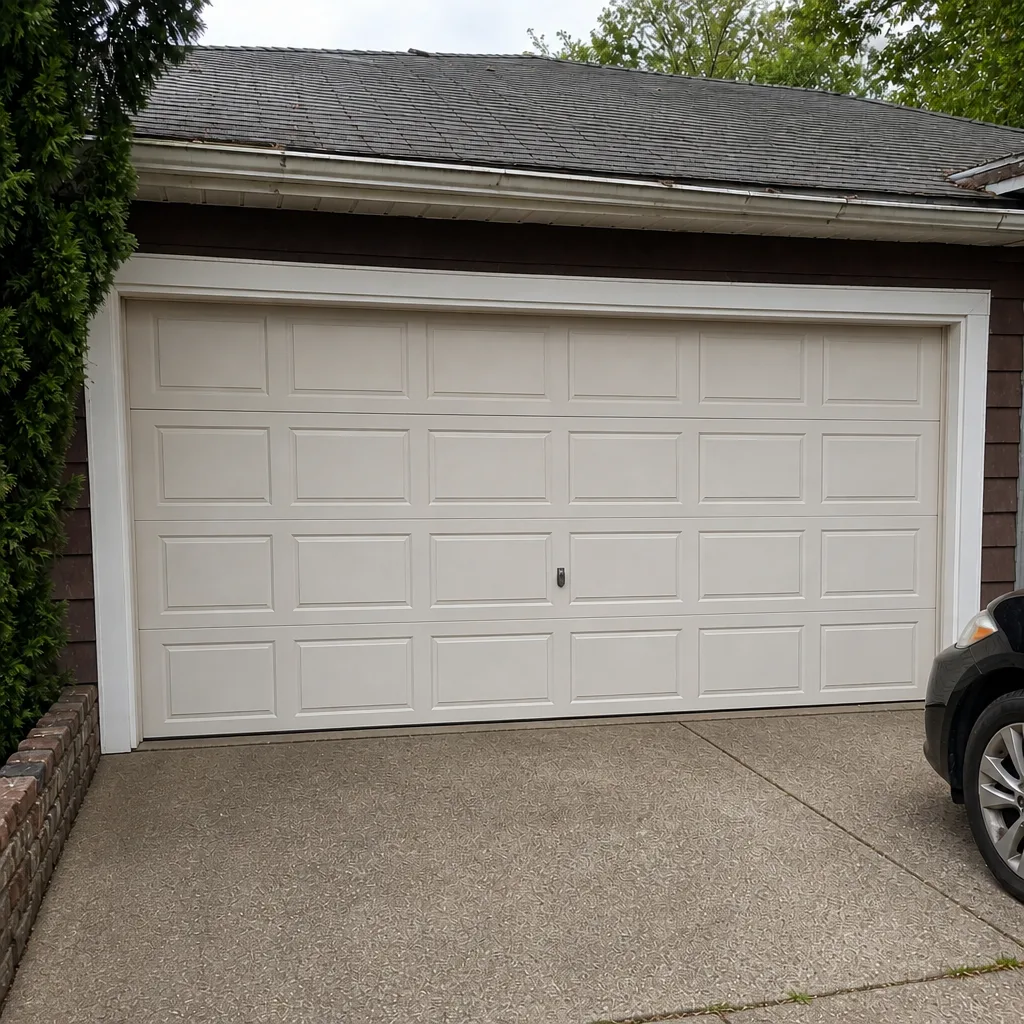 After
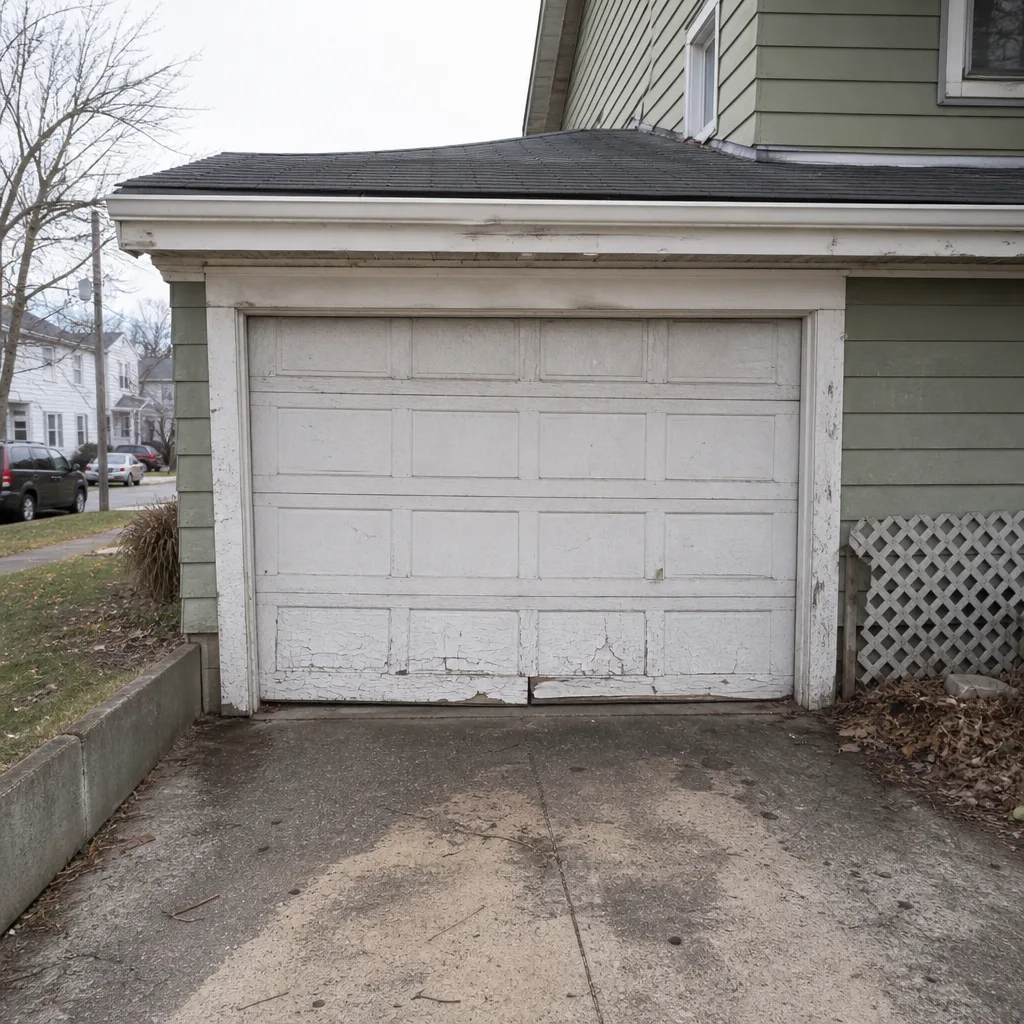 Before
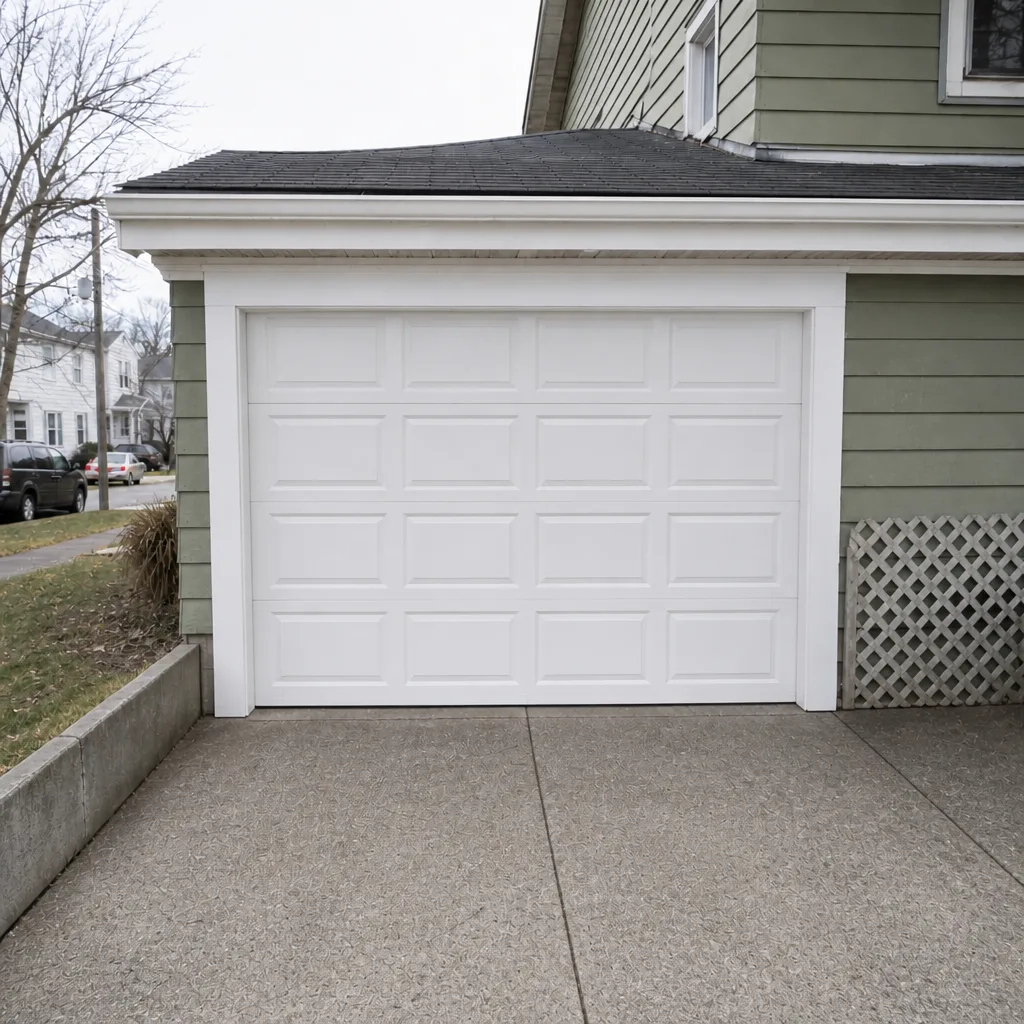 After
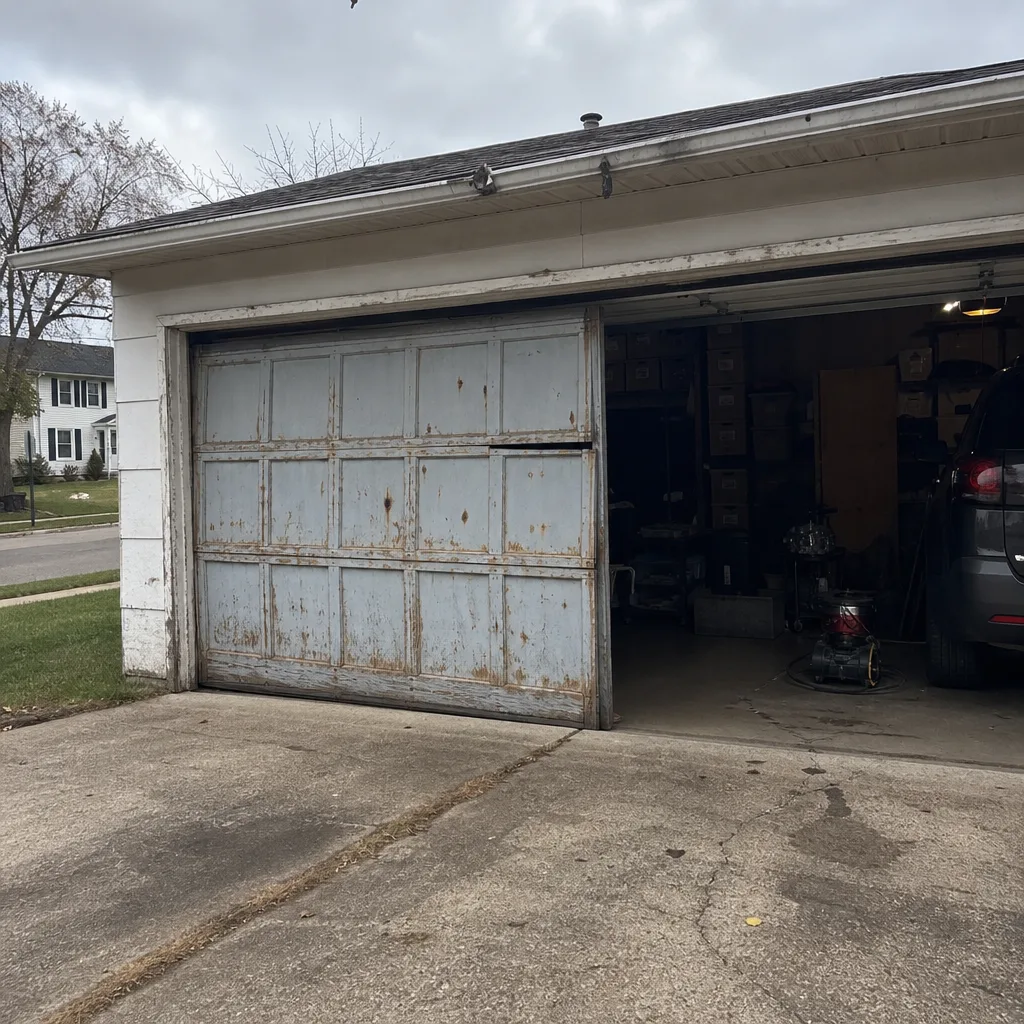 Before
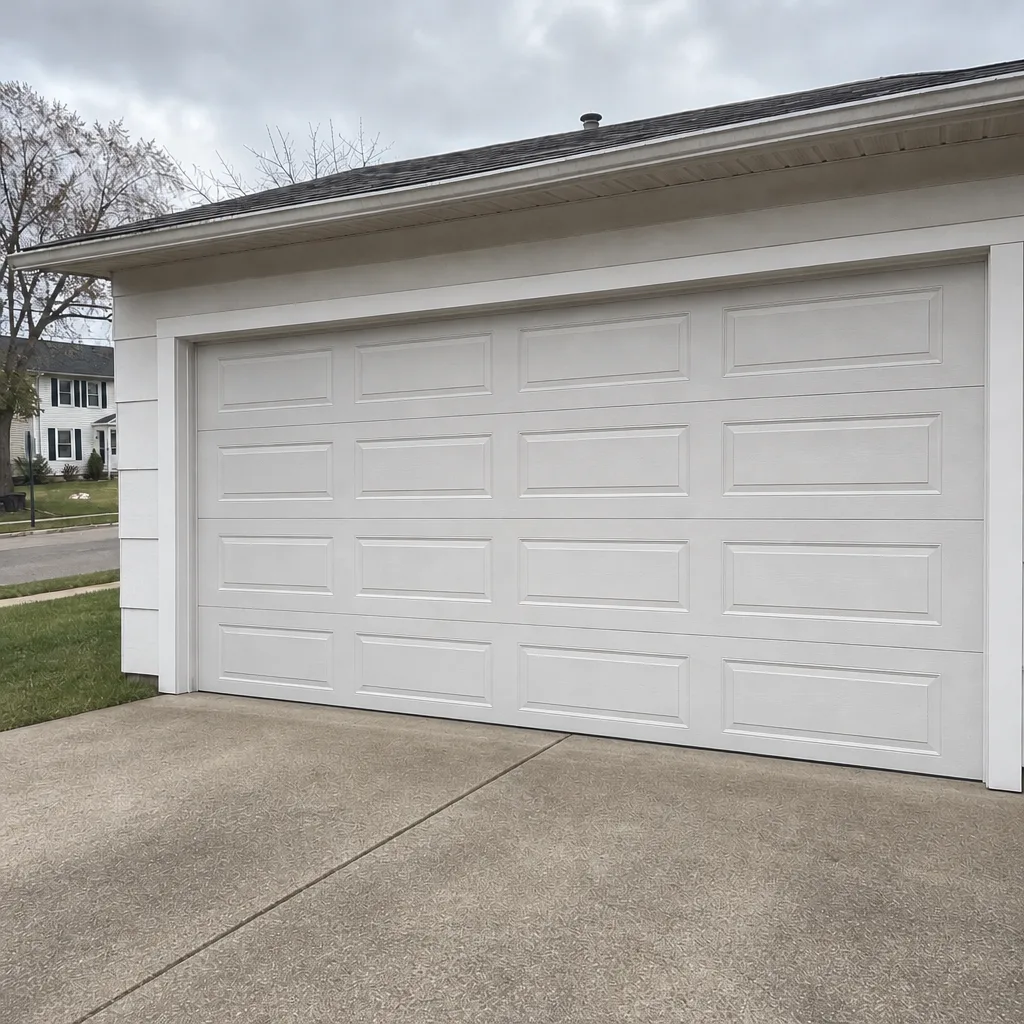 After
When to Call a Professional
Some jobs are fine to check yourself; others need a trained technician on site. Call a professional when a spring has snapped or is visibly rusted, when a cable is slack or frayed, when the door is off its tracks or racks in the opening, when an opener runs but the door doesn’t move, or when a safety reverse test fails. Also call if the door has warped or a panel has cracked, because the structure is involved. These are the situations where an untrained fix can injure someone or turn a small repair into a large one. Garage Door Repair Inwood offers free estimates in Inwood – call (877) 584-3370, and we’ll tell you plainly whether it’s a repair or a replacement.
Frequently Asked Questions
A broken spring usually announces itself with a loud bang, followed by a door that won’t lift or lifts only a few inches. Look at the torsion spring above the door for a visible gap in the coil, or an extension spring that’s stretched out of shape. If the door won’t open and you heard a bang, stop using the opener and call (877) 584-3370 for a same-day estimate.
A single spring replacement typically runs in the low-to-mid hundreds of dollars, and a matched pair costs about twice the single-spring price because they’re usually replaced together. The exact figure depends on spring type, door weight, and whether the opener needs attention too. Call (877) 584-3370 for a free, written estimate – the price is quoted and agreed before any work starts.
Inwood’s humid, salt-carrying air accelerates corrosion on springs, hinges, and the bottom panel of steel doors, and it swells and cracks wood doors over time. That means springs here often need replacement on a shorter interval than a national guide suggests. A yearly inspection is the best protection.
Most openers can be repaired, and we work on the brand you already have, including LiftMaster, Chamberlain, Genie, and Raynor. A dying opener is often a symptom of a tired spring or misaligned safety sensors, not a failed motor. Call (877) 584-3370 and we’ll diagnose it before recommending a swap.
Usually yes, but it depends on headroom, backroom, and sideroom. Older Inwood garages often have shallow ceilings and narrow openings, which rules out some doors and openers. We measure before recommending anything, so you don’t order a door that won’t fit. Call (877) 584-3370 for a free measure and written price.
Once a year is the right baseline, with a spring and bottom-panel check after each humid season. Inwood’s climate is harder on hardware than inland areas, so staying on the yearly schedule catches rust and balance issues before they turn into emergency calls. When something does fail, call (877) 584-3370 and we’ll get you back up and running today.
The Bottom Line
A garage door in Inwood is a system living in a specific climate, and the two facts that matter most are these: the air here is harder on springs and panels than inland Nassau County, and the housing stock means clearance and headroom deserve measuring before anyone quotes a door. Maintenance is a yearly afternoon, springs are the part that fails first and the part you never touch yourself, and the repair-versus-replace call should be made on the whole system, not one part. When something fails, or when you’re ready to plan a replacement, we work on the brand you already have and can get you back up and running today.
Contact
Whether your door won’t open, your opener is acting up, or you’re ready to replace a tired door in Inwood, we’re one call away. We offer free estimates, quote the price before any work starts, and cover the full system from springs to openers to new doors. Call (877) 584-3370 for a free estimate and a straight answer on what your door needs.
Written by the team at Garage Door Repair Inwood.